斯坦福商学院演讲

A stack of 20 Bob Dylan CDs from the collection belonging to Steve. 一叠 20 张鲍勃·迪伦的 CD,来自史蒂夫的个人收藏。
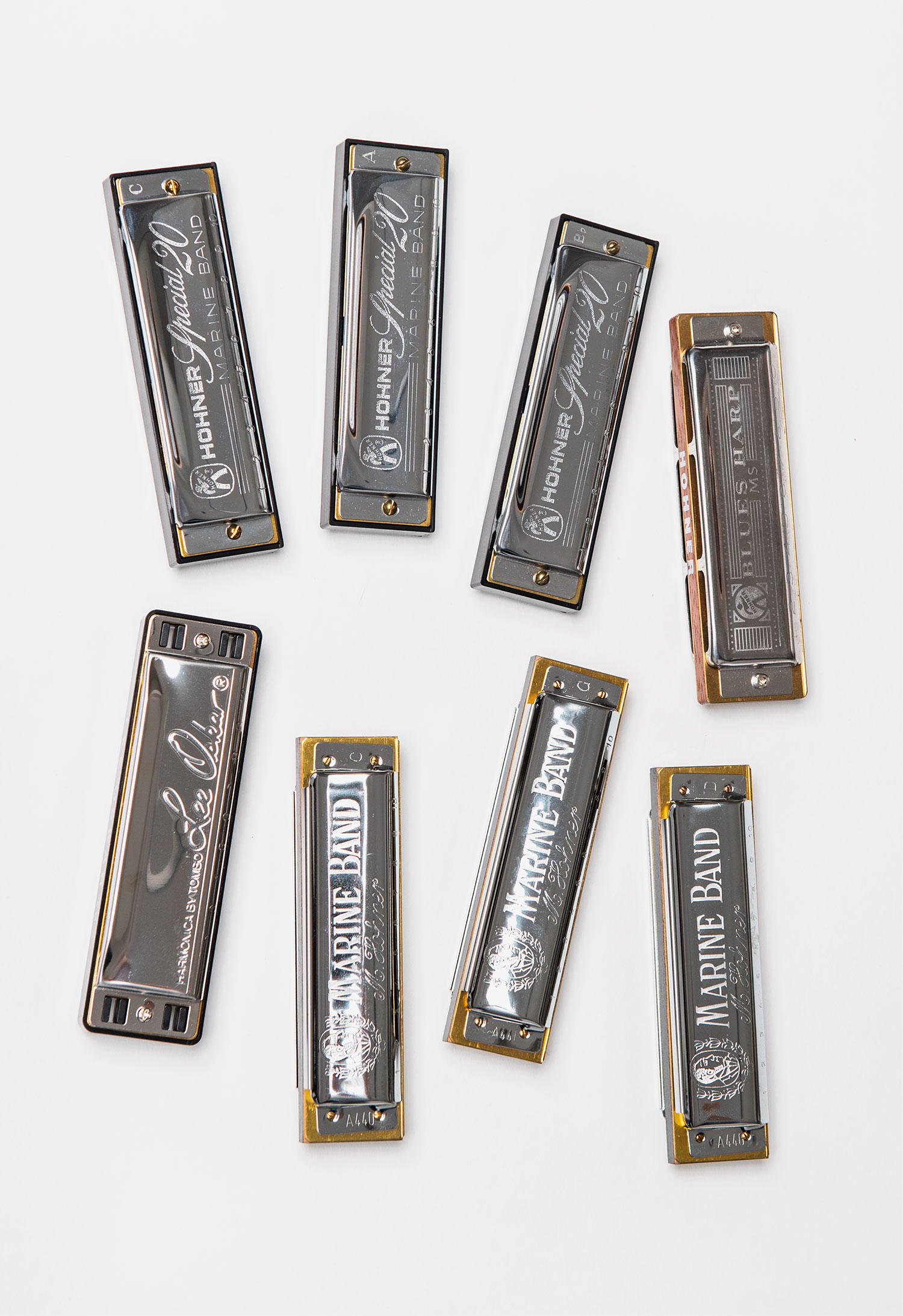
Eight bright metal harmonicas, from brands such as Marine Band and Hohner, that Steve collected. 八把闪亮的金属口琴,来自 Marine Band 和 Hohner 等品牌,是史蒂夫收集的。
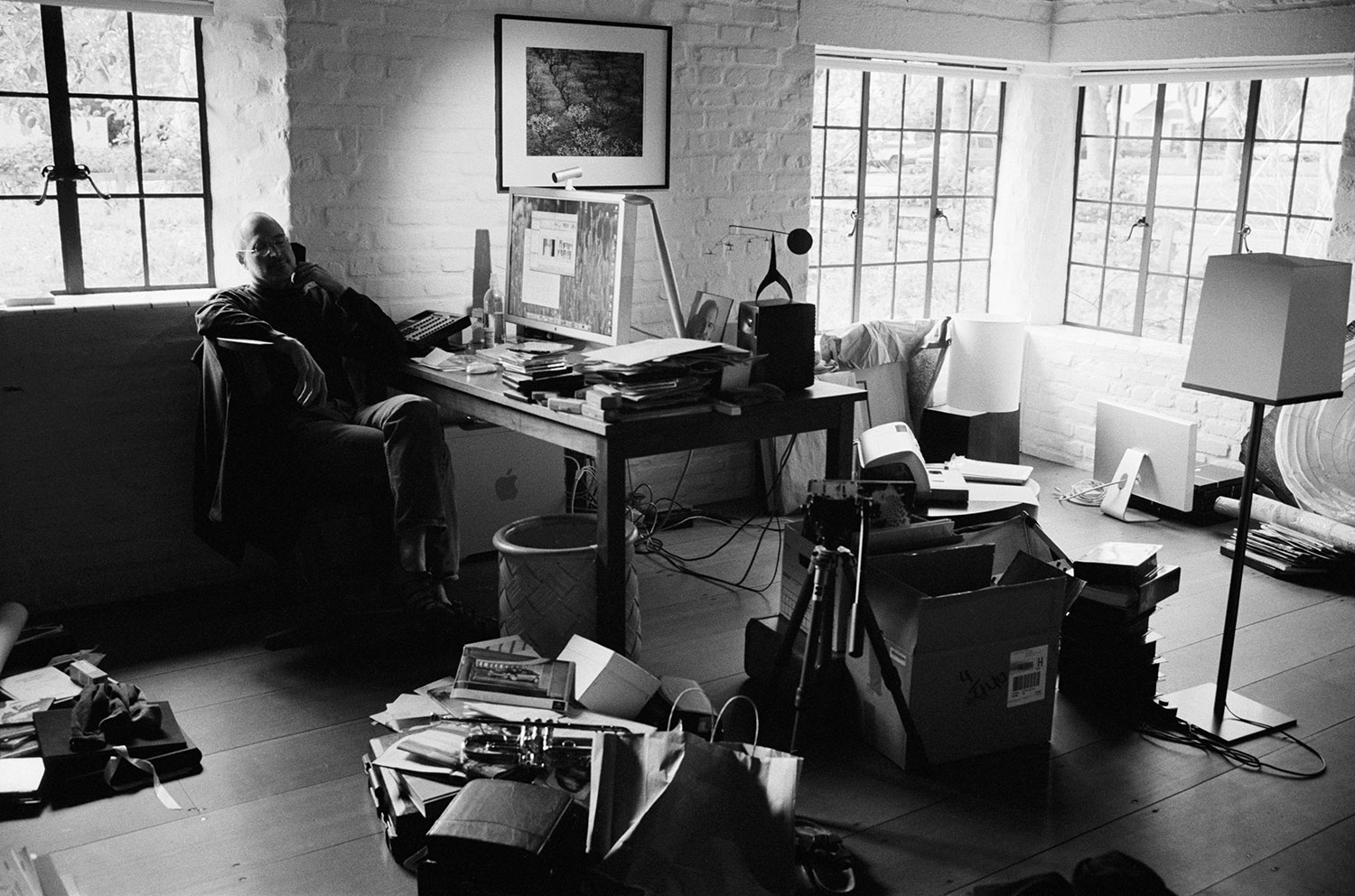
Steve sits cross-legged on the phone in his home office. The floor is strewn with boxes, papers, a tripod, and a trumpet. 史蒂夫在家庭办公室里盘腿坐着打电话。地板上散落着盒子、纸张、三脚架和一支小号。
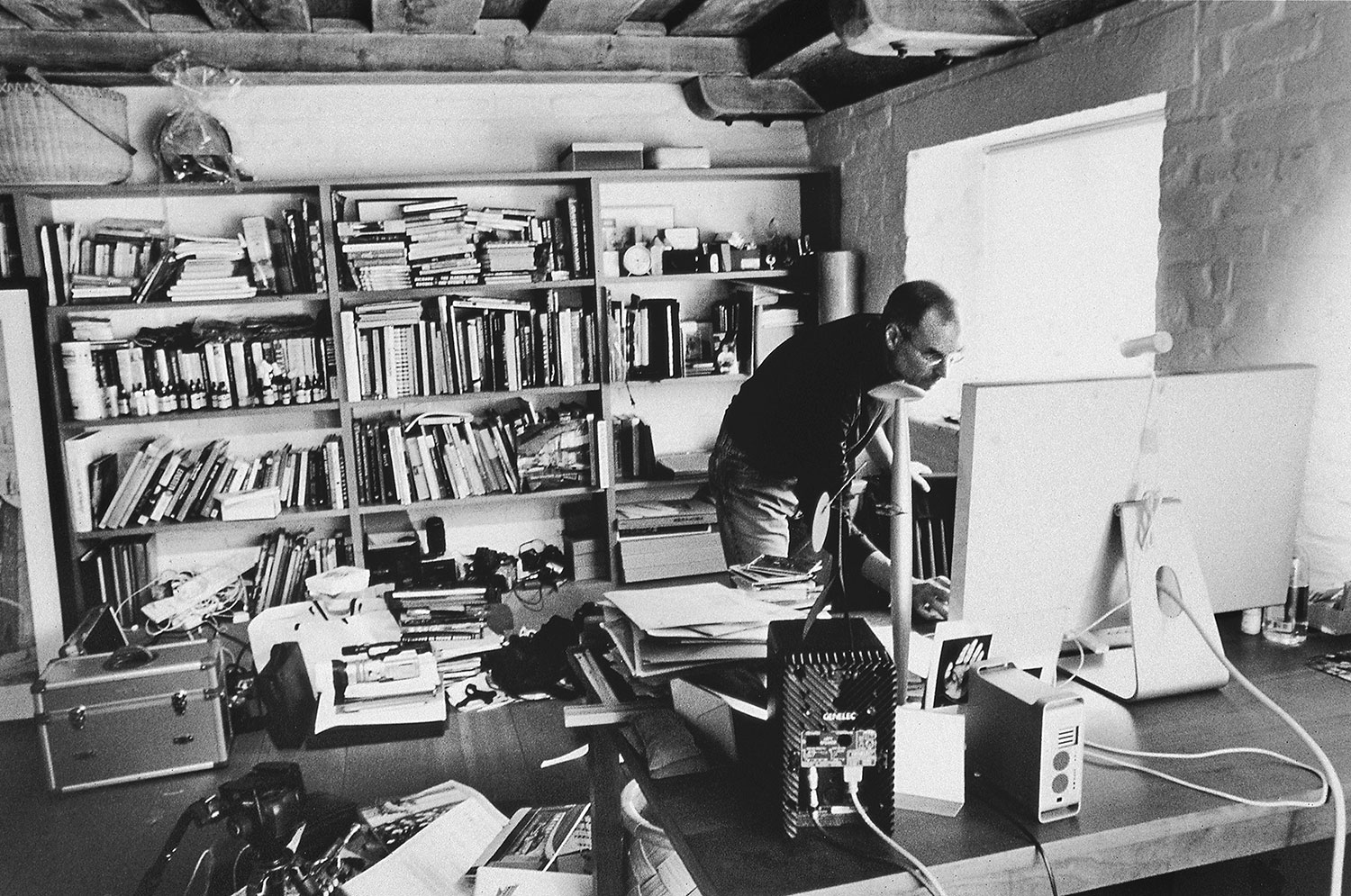
Steve leans across a cluttered desk to use his Mac. Behind him, shelves are piled with books and boxes litter the floor. 史蒂夫俯身在堆满杂物的书桌上使用他的 Mac。他身后的书架上堆满了书,地板上散落着盒子。
背景: On May 29, 2003, Steve gave a talk to MBA students about his experience as CEO of Pixar and Apple. Two years later, he would deliver his seminal Stanford commencement address on the same campus.
主题: "You never know what's around the next corner."
核心概念
- 价值观管理 (Management by Values) - 找到想要相同目标的人
- 史蒂夫·沃兹尼亚克 (Steve Wozniak) - 苹果联合创始人
- 苹果 (Apple) - 苹果公司
- 皮克斯 (Pixar) - 皮克斯动画工作室
- NeXT (NeXT) - NeXT公司
内容
中文翻译
皮克斯与苹果是非常不同类型的公司。苹果是一家每隔几周就有新产品的公司。在那家公司,你每天要做十个重要决定,但如果其中一些错了,大多数都可以在几个月后纠正。皮克斯是一家最多每年只有一个新产品的公司。对我们来说,这就是圣杯:每年有一部电影,而我们差不多已经做到了。作为CEO,你每季度只做几个重要决定——也许三个——但如果你想改变它们,非常难以更改。所以,它们处于光谱的两端,非常非常不同。然而,你可以看苹果说苹果是科技公司中最有创造力的,你可以看皮克斯说皮克斯是创意公司中最技术性的,从这个意义上说,也许它们都在追求某种中间的共同理想,只是来自光谱的不同两端。
✂︎
如果我们[苹果]一年想出一打创新,我们可能只能宣传其中的四五个。即使我们有世界上所有的钱,我们也不能宣传更多,因为客户会被电视上所有这些信息搞糊涂。那你对其他六七项创新怎么办?你知道:第六、第七、第八、第九、第十项创新?你必须在销售点与客户沟通这些。而[现有的分销渠道]做不到这一点。所以我们决定开设自己的渠道。这就是我们进入零售业的原因。
我们做事情有点不同。我们在零售方面的目标不仅仅是向今天拥有我们产品的5%的人销售;我们的目标是另外95%。我们决定,如果他们对购买我们的产品完全不感兴趣,他们不会开车十英里去看苹果商店。我们决定必须伏击他们。这意味着我们必须去高流量地点,在那里开店。他们[客户]不需要冒险开车十英里才发现他们不感兴趣。他们只需要冒险走十英尺,因为他们反正正在路过,而且他们知道如果这不是他们想要的东西,他们可以迅速逃脱。所以我们为好的位置支付了额外的钱,把它们放在像大学大道[在帕洛阿尔托]和全国A级商场这样的好街道上。我们得到的房地产简直是A+级的。
✂︎
我在皮克斯学到了这一点:科技公司和内容公司彼此之间完全没有理解。完全没有。比你想象的还要糟糕。在硅谷,大多数人认为创意过程就是一群三十出头的人坐在沙发上,喝着啤酒,想着笑话。真的。他们真的这么认为。然而,我看着皮克斯的人制作这些电影,他们的工作努力程度不亚于我在任何科技公司见过的任何人。创意过程和我见过的任何工程过程一样有纪律。而且他们对它的热情不亚于我见过的任何技术人员。
另一方面,内容公司对科技公司的创意过程没有欣赏。他们认为技术就是写张支票就能买到的东西。就是这样。他们不理解能力和优雅之间有广泛而动态的跨度。他们不理解过程中的创造力。所以这些就像是夜航的船擦肩而过。
✂︎
我学到的最重要的一课是,你必须雇佣比你更好的人。[…]在正常生活中,从平均水平到最好水平的动态范围通常是30、40、50%。好两倍:很少。所以今晚在帕洛阿尔托市中心一顿普通的饭和最好的一顿饭之间的差距——也许是二比一。回家的航班,如果你要回家过节:50%的差距。租车、早餐麦片。我不知道,选一个。
但我看到Woz[苹果联合创始人Steve Wozniak]——一个人——在脑子里开会就能绕开惠普的两百名工程师。这就是我所看到的。我想,"哇。"起初我并不真正理解它。然后我开始理解它。我花了大约十年时间才真正尝试付诸实践。因为你会试图雇佣并找到那些人。而且他们真的很难找到。每个人都说他们都是难伺候的明星。但事实证明,当他们一起工作时,他们不是难伺候的明星。他们真的很喜欢这样。
我第一次尝试建立那个组织——那就是Mac团队。它真的成功了。我看到一个五十人的团队做了 literally 其他公司数百甚至数千人做不到的事情。从那以后,我一直在努力寻找那些真正热爱自己工作且极其擅长的人。有时他们有经验,有时他们真的很年轻。他们是未经雕琢的钻石——你雇佣他们,给他们机会。但这都是我在商业中学到的最重要的一课:人的动态范围远超我们在正常生活中遇到的任何事物——要努力找到那些真正热爱自己工作的优秀人才。
✂︎
我基本上是被苹果解雇的。那真的很难。所以我肯定从中学到了很多。[观众笑。]我确实学到了很多。事实上,如果那没有发生,就不会有皮克斯。生活在这方面很有趣。有时你最大的优势就是你最大的弱点。有时你从最大的逆境中学到最多。我不知道。但如果没有那件事,就不会有皮克斯。但生活很有趣,你知道吗?我从没想过我会回到苹果,但我在这里。所以这是一个马戏团世界,你永远不知道下一个拐角处有什么。
人们说从失败中学到的东西比从成功中学到的多,这可能是真的。我犯的错比我认识的大多数人都多。但年龄增长也会那样[帮助你成长]。你结婚了。你知道,你有了家庭。你的视角开始改变。当我年轻的时候,如果我不得不解雇某人,我不需要——说实话,我不需要三思。当你年龄稍大一些,也许你有孩子了,你意识到你必须解雇的那个人——即使他们完全搞砸了,他们应该被解雇,你几个月前就应该解雇他们,任何其他人去年就会解雇他们——即便如此,你意识到那个人必须回家告诉他们的妻子和孩子他们今天被解雇了,他们没有工作了。你意识到这一点。所以部分原因不是你自己做的任何事,不是你取得的任何成就。这只是变老和被踢来踢去的过程,也许在这个过程中变得更明智一点。这比什么都重要。
✂︎
[当我1997年回到苹果时,]个人贡献者是出色的。我问了很多这样的人:"你们为什么留下来?"他们说:"因为我们流淌着六色血液。"我从很多人那里听到这个——旧苹果标志中有六种颜色。问题出在管理层。所以我们实际上解雇了大部分管理团队,把很多这些年轻人提拔到管理岗位。
我发现,没有一个正常人想当经理。[观众笑。]这是真的。这是很多工作,而且你不能做有趣的事情。但当经理的唯一好理由是防止另一个笨蛋当经理——并毁掉你在乎的团队。真的。如果你经历过糟糕的情况,你有过糟糕的管理,你会尽一切努力不让你的团队再次被那样毁掉。你甚至会挺身而出自己当经理,即使你不想这样做。我说服了几百人这样做。他们中90%以上都变成了出色的经理。出色的。所以这就是拯救苹果的人,就是那些人。而且能够与他们一起工作是我一生中最伟大的经历之一。
✂︎
有很多管理技巧。我相信你们学了很多管理技巧。当我年轻的时候,是目标管理。这些都是胡说八道。它们都是事后管理技巧:"你失败了,我知道这一点因为我们明天就要倒闭了。"都是事后的。"你毁了这个部门;所有的好人都离开了。所以我现在要解雇你。""你没有完成任何目标。"这不起作用。
很久以前我遇到的一个非常聪明的人,他曾经在迪士尼大学教授——沃尔特·迪士尼招募他来管理迪士尼大学,实际上——他告诉我他的观点,我至今还记得。他称之为价值观管理。这意味着你找到那些想要你想要的东西的人,然后离他们远点。我描述它的方式是,假设我们都要一起去旅行。第一件事是弄清楚我们都想去哪里。最糟糕的是如果我们都决定想去不同的地方。你永远无法管理。[指着]你想去新奥尔良。你想去别的地方。我想去旧金山。你想去圣地亚哥。这行不通。对吧?
但如果我们都想去圣地亚哥,那就是关键。然后我们可以争论怎么去。[指着]你认为步行更好。你认为坐飞机更好。你认为坐火车更好。我们会弄清楚[那部分]。因为如果我说,"我想坐火车去圣地亚哥,"有人说,"那真的很蠢!要花三天!我们可以坐飞机一小时就到,"我会说,"哦。好的。"因为,实际上,我想去圣地亚哥。所以如果我能坐飞机一小时到那里,我会放弃坐火车的想法。
这就是价值观管理。就是找到那些充满激情、想去圣地亚哥的人——想去你想去的地方的人!对吧?这就是关键。
所以,苹果发生的情况是,苹果的目标曾经是制造世界上最好的个人电脑。第二个目标是赚钱,这样我们就可以继续做第一件事。对吧?发生的事情是,有一段时间,这些目标被颠倒了:"我们想赚很多钱,所以,好的,要做到这一点,我们将不得不制造一些好的个人电脑。"但这行不通。它永远行不通。所以事情开始分崩离析。
这些价值观的微妙变化可能意味着一切。它们在组织中越高,它们的影响就越普遍。所以如果你想保留某些东西,你要做的是有一个足够好的目标地,有足够长的焦距,能够经受时间的考验,每个人都同意——而不是规定你怎么去那里。这样每一代人都可以重新争论去圣地亚哥的最佳方式,而不仅仅是踏着你是怎么去那里的脚印。你明白我的意思吗?但所有人都想去同一个地方。
这是我在苹果和皮克斯的一个座右铭:招聘是你做的最重要的事情。找到合适的人——这是成功的一半。好吧,谢谢你们给我与你们在一起的机会。我非常感激。
英文原文
Speech at Stanford's Graduate School of Business, Make Something Wonderful

Speech at Stanford's Graduate School of Business

"You never know what's around the next corner."

On May 29, 2003, Steve gave a talk to MBA students about his experience as CEO of Pixar and Apple. Two years later, he would deliver his seminal Stanford commencement address on the same campus.

Pixar is a very different kind of company than Apple. Apple is a company that has new products every few weeks. It's a company where you make ten important decisions a day, but if some of them are wrong, most of them are not terribly hard to correct a few months down the road.

Pixar is a company that has one new product a year, at best. That's the holy grail for us: to have a movie a year, and we are just about there. As CEO, you make a few important decisions a quarter—maybe three—but they are very hard to change if you decide you want to change them.

So, they are very, very different sides of the spectrum. However, you can look at Apple and say Apple is the most creative of the technology companies, and you can look at Pixar and say Pixar is by far the most technical of the creative companies, and in that sense, maybe they are striving for some ideal in the middle, coming from different ends of the spectrum.

✂︎

If we [Apple] come up with a dozen innovations in a year, we can maybe advertise four or five of them. We can't advertise more than that because, even if we had all the money in the world, the customer would get very confused with all these messages coming at them on TV. What do you do with the other half-dozen innovations you come up with? You know: six, seven, eight, nine, ten innovations? You have to communicate those with the customer at the point of sale. And it [the existing distribution channel] was not capable of that. So we decided to start our own. So that's why we got into retail.

We did things a little differently. Our goal in retail was not just to sell to the 5 percent of people who own our products today; it was to go for the other 95. And we decided they would not drive ten miles to look at an Apple Store if they weren't at all interested in buying our products.

We decided we had to ambush them. What that meant was that we had to go to high-traffic locations and put stores there. They [customers] didn't have to take the risk of driving ten miles to find out they weren't interested. They just had to take the risk of walking ten feet because they were walking by anyway, and they knew they could escape rapidly if it was something they hadn't wanted. So we paid extra money for great locations and put them on great streets like University Avenue [in Palo Alto] and the A [-grade] malls across the country. And the real estate we've got is just A+.

✂︎

I learned this at Pixar: technology companies and content companies have absolutely no understanding of each other. None. It's worse than you'd ever imagine. In Silicon Valley, most people think the creative process is a bunch of guys in their early thirties sitting on a couch, drinking beer, and thinking up jokes. Really. They really do.

And yet I've watched people at Pixar making these films, and they work as hard as I've seen anybody in a technology company ever work. The creative process is as disciplined as any engineering process I've ever seen in my life. And they're as passionate about it as any technical person I've ever seen.

On the other hand, the content companies have no appreciation of the creative process in the technical companies. They think that technology is something that you write a check for and buy. That's it. And they do not understand that there's a wide, dynamic range of capability and elegance. They don't understand the creativity in the process. So these are like ships passing in the night.

✂︎

The most important lesson I ever learned was that you have to hire people better than you are. […] In normal life, the difference in dynamic range from average to best is usually 30, 40, 50 percent. Twice as good: rarely. So the difference between an average meal in downtown Palo Alto tonight and the best one—maybe it's two to one. Flight home, if you're going home for the holidays: 50 percent difference. Rental cars, breakfast cereals. I don't know, pick one.

But I saw that Woz [Apple co-founder Steve Wozniak]—one guy—having meetings in his head could run circles around two hundred engineers at Hewlett-Packard. That's what I saw. And I thought, "Wow." And I didn't really understand it at first.

Then I started to understand it. It took me about ten years to actually try to put it into practice. Because you'd try to hire and find those people. And they're really hard to find. And everyone says they are all prima donnas. But it turns out that when they work with each other, they're not prima donnas. They really like it.

The first time I tried to build that organization—that was the Mac team. And it really worked. I saw a team of fifty people do something that literally hundreds, or thousands, of people at other companies couldn't do. And so I've since then always tried to find really great people who love what they are doing and are extremely good at it. And sometimes they have experience, and sometimes they're really young. They're diamonds in the rough—and you hire them and take chances on them. But that's been the most important lesson I've learned in business: that the dynamic range of people dramatically exceeds things you encounter in the rest of our normal lives—and to try to find those really great people who really love what they do.

✂︎

I was basically fired from Apple. And that was really hard. So I'm sure I learned a lot from that. [Audience laughs.] I did. I did learn a lot from that. And as a matter of fact, there would have been no Pixar if that hadn't happened. Life's funny in this way. Sometimes your greatest strengths are your greatest weaknesses. Sometimes your greatest adversities, you learn the most from. I don't know.

But there wouldn't be a Pixar if it hadn't been for that. But life is funny, you know? I never would have thought I'd end up back at Apple, but here I am. So it's a circus world, and you never know what's around the next corner.

People say you learn more from failures than you do from successes, and that's probably true. And I've made more mistakes than most people I know. But getting older does that [helps you grow] too. You get married. You know, you have a family. And your perspective starts to change on things.

When I was young, if I had to fire somebody, I didn't think—to be honest, I didn't think twice about it. When you get a little older, and maybe you have kids, you realize that the person you have to fire—even if they totally screwed up, they should be fired, you should have fired them months ago, anyone else would have fired them last year—even so, you realize that that person is going to have to go home to their wife and their children and tell them they got fired today and that they don't have a job anymore. You realize that.

So part of it is nothing that you do yourself, no accomplishments you achieve. It's just the process of getting older and kicked around, and maybe a little wiser in the process. That's, more than anything, probably what it is.

✂︎

[When I returned to Apple in 1997,] the individual contributors were phenomenal. And I asked a lot of these guys, "Why did you stay?" And they said, "Because we bleed six colors." I heard that from a lot of people—there were six colors in the old Apple logo. It was management that was a problem. So we actually got rid of most of the management team and promoted a lot of these young people into management positions.

And what I found is that nobody in their right mind wants to be a manager. [Audience laughs.] It's true. It's a lot of work, and you don't get to do the fun stuff. But the only good reason to be a manager is so some other bozo doesn't be the manager—and ruin the group you care about.

Really. And if you've lived through a bad situation where you've had bad management, you'll do anything to not have your group destroyed by that again. And you will even step up and be the manager yourself, even though you don't want to do that.

And I talked a few hundred people into doing that. And 90, over 90 percent of them have turned into extraordinary managers. Extraordinary. So that's what saved Apple, those people right there. And it's been one of the great experiences of my life to have the privilege of working with them.

✂︎

There's a lot of management techniques. I'm sure you study a lot of management techniques. When I was younger, it was management by objective. It's all a crock. They're all after-the-fact management techniques: "You've failed, and I know that because we are going out of business tomorrow." All after the fact. "You've ruined this department; all the good people have left. So now I'm firing you." "You've accomplished none of your objectives." It doesn't work.

And a really smart guy I met a long time ago who used to teach at Disney University—Walt Disney recruited him to run Disney University, actually—he told me about his point of view, which I've remembered to this day. He called it management by values. What that means is you find people that want the same things you want, and then just get the hell out of their way.

The way I describe it is, let's say we're all going to take a trip together. The first thing is to figure out where we all want to go. The worst thing is if we all decide we want to go to different places. You can never manage it. [Pointing] You want to go to New Orleans. You want to go somewhere else. I want to go to San Francisco. You want to go to San Diego. It doesn't work. Right?

But if we all want to go to San Diego, that's the key. Then we can argue about how to get there. [Pointing] You think it's better to walk. You think it's better to take a plane. You think it's better to take a train. We'll figure that [part] out. Because if I say, "I want to take a train to San Diego," and somebody goes, "That's really stupid! It will take three days! We can fly and be there in an hour," I'll go, "Oh. OK." Because, actually, I want to go to San Diego. So if I can get there in an hour [flying], I'll ditch my idea about the train.

That's what management by values is. It's finding people with passion that want to go to San Diego—who want to go to the same place you want to go to! Right? That's the key.

And so, what happened at Apple was that Apple's goals used to be to make the best personal computers in the world. And then the second goal was to make a profit so we could keep on doing number one. Right?

What happened was that, for a time, those got reversed: "We want to make a bunch of money, and so, OK, to do that, we're going to have to make some good personal computers." But it didn't work. It never works. And so things start to fall apart.

Those subtle changes in values can mean everything. The higher up in the organization they are, the more pervasive influence they have. So if you want to preserve something, what you want to do is have a good enough place to go, that's got a long enough focal length that it will survive over time, that everybody agrees on—and not codify how you're going to get there. So that each generation can argue anew about the best way to get to San Diego, and they're not just taking your footsteps on how you got there. You see what I'm saying? But all the people want to go to the same place.

And that's one of my mantras around Apple and Pixar: that recruiting is the most important thing that you do. Finding the right people—that's half the battle.

Well, thank you guys for the chance to be with you. I appreciate it very much.
思考与洞察
- 皮克斯与苹果的对比: 两家公司处于光谱两端——苹果频繁发布产品,皮克斯每年一部;但都追求中间的共同理想
- 零售战略: 为了解决创新宣传受限,苹果决定开设自己的零售渠道
- 伏击策略: 不等待顾客来找苹果,而是在高流量地点"伏击"潜在用户
- 科技与人文的鸿沟: 科技公司和内容公司彼此完全不理解,硅谷低估了创意过程的纪律性
- A级人才的重要性: 雇佣比你更好的人,动态范围远超正常生活中遇到的任何事物
- 失败的价值: 被苹果解雇是痛苦的经历,但如果没有就不会创造皮克斯
- 年龄带来的智慧: 经历婚姻、家庭、解雇,视角会改变,变得更明智
- 价值观管理: 找到想要相同目标的人,然后给他们空间去实现