对苹果员工的演讲
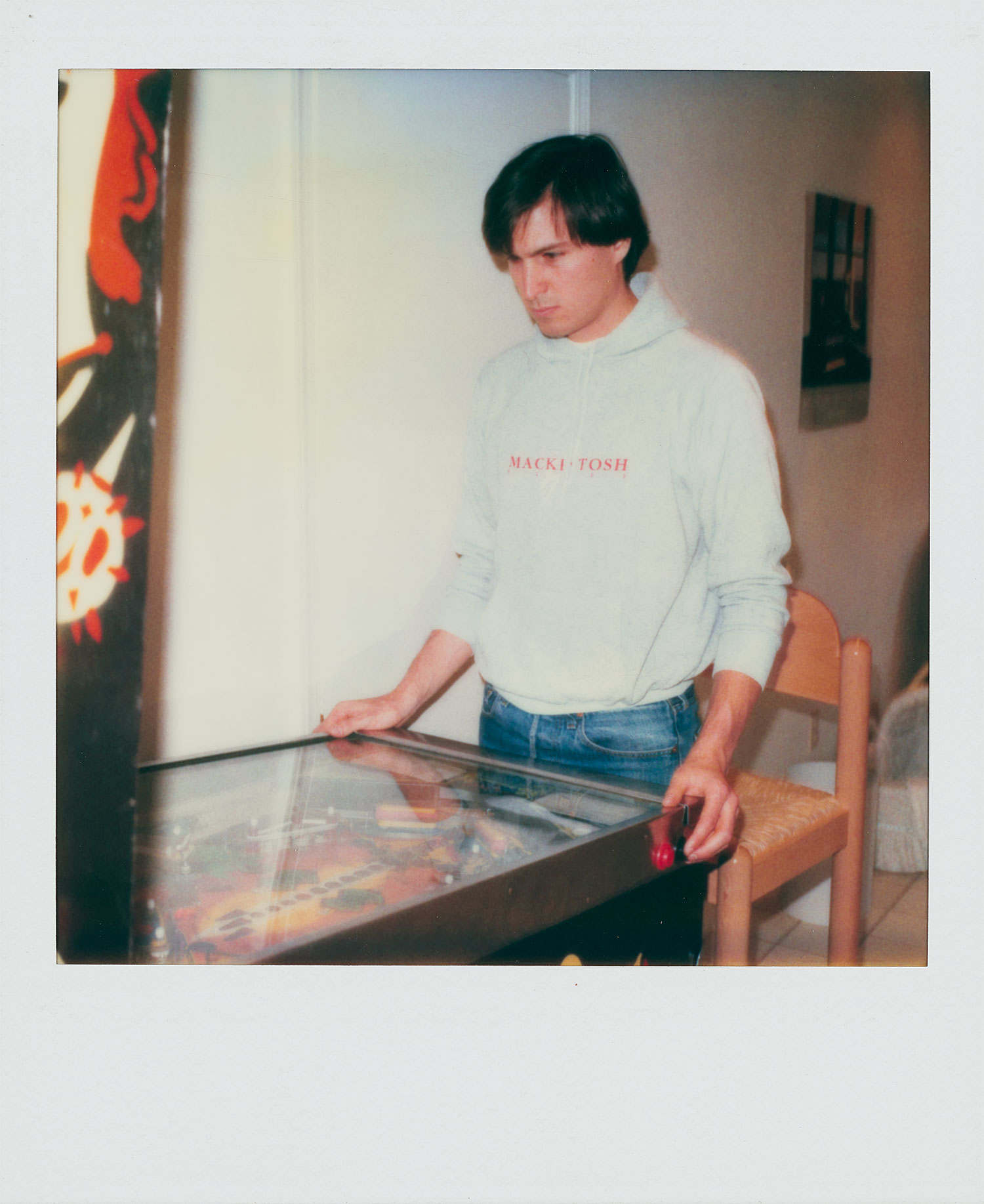
A Polaroid of Steve, playing pinball, with a white hooded sweatshirt with the word Mackintosh on the chest. 史蒂夫在玩弹珠机的一张宝丽来照片,他穿着一件胸前印有 Mackintosh 字样的白色连帽运动衫。
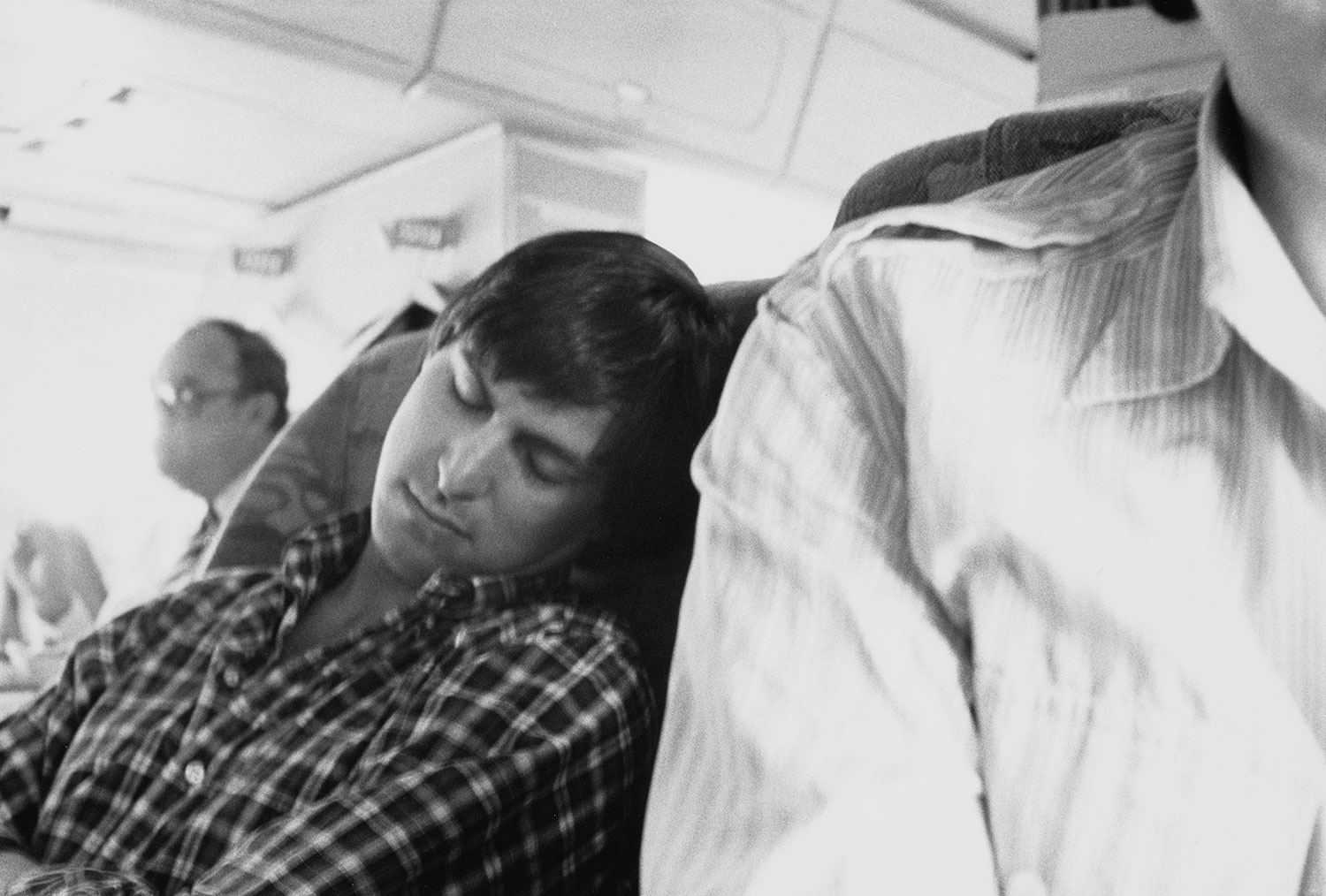
A black and white photo shows Steve fast asleep on a flight, his seat slightly reclined. 一张黑白照片,显示史蒂夫在飞行中熟睡,座椅微微倾斜。
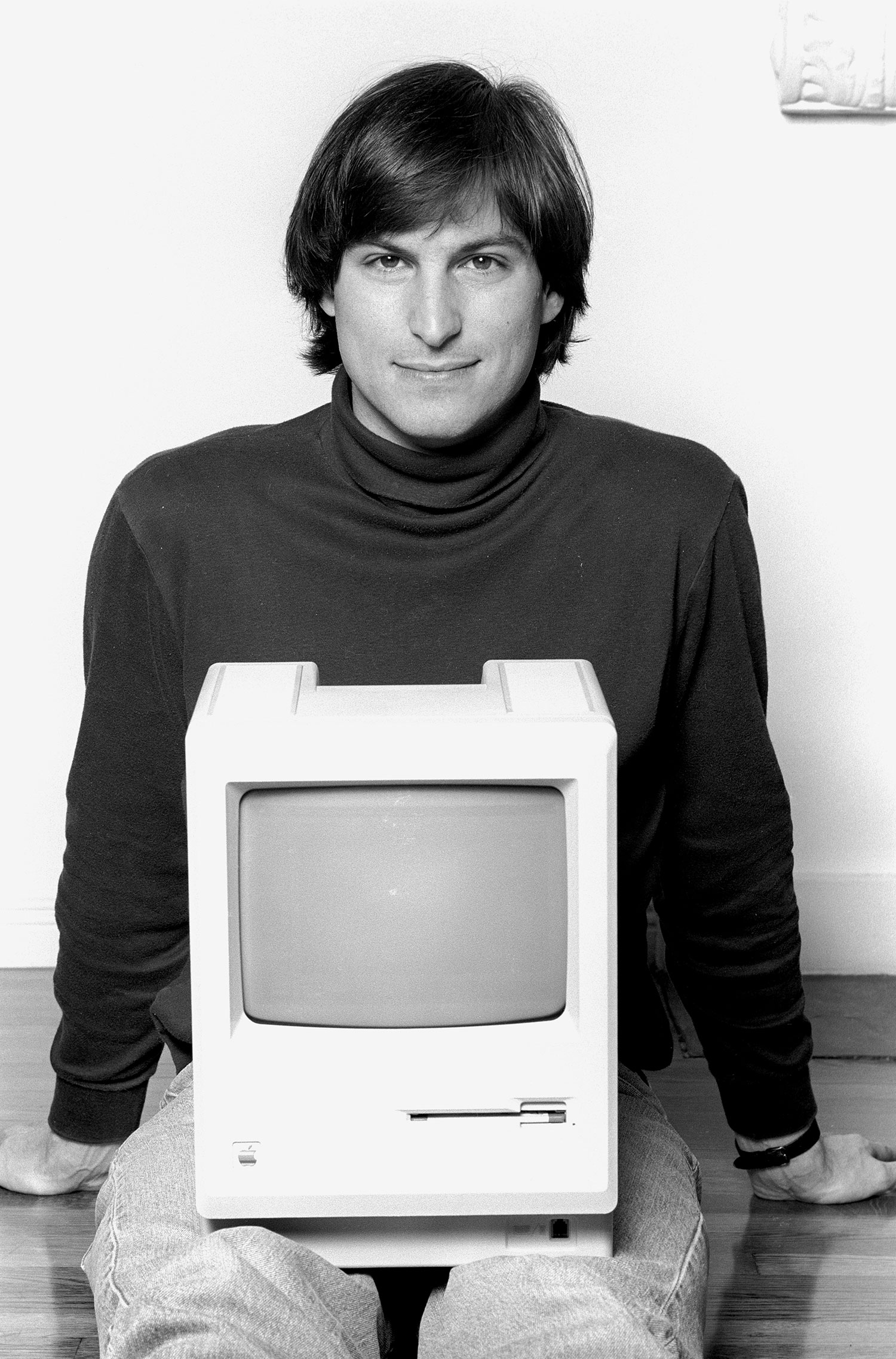
29-year-old Steve wearing a black turtleneck and jeans, poses with a Macintosh computer resting in his lap. 29 岁的史蒂夫穿着黑色高领毛衣和牛仔裤,腿上放着一台 Macintosh 电脑。
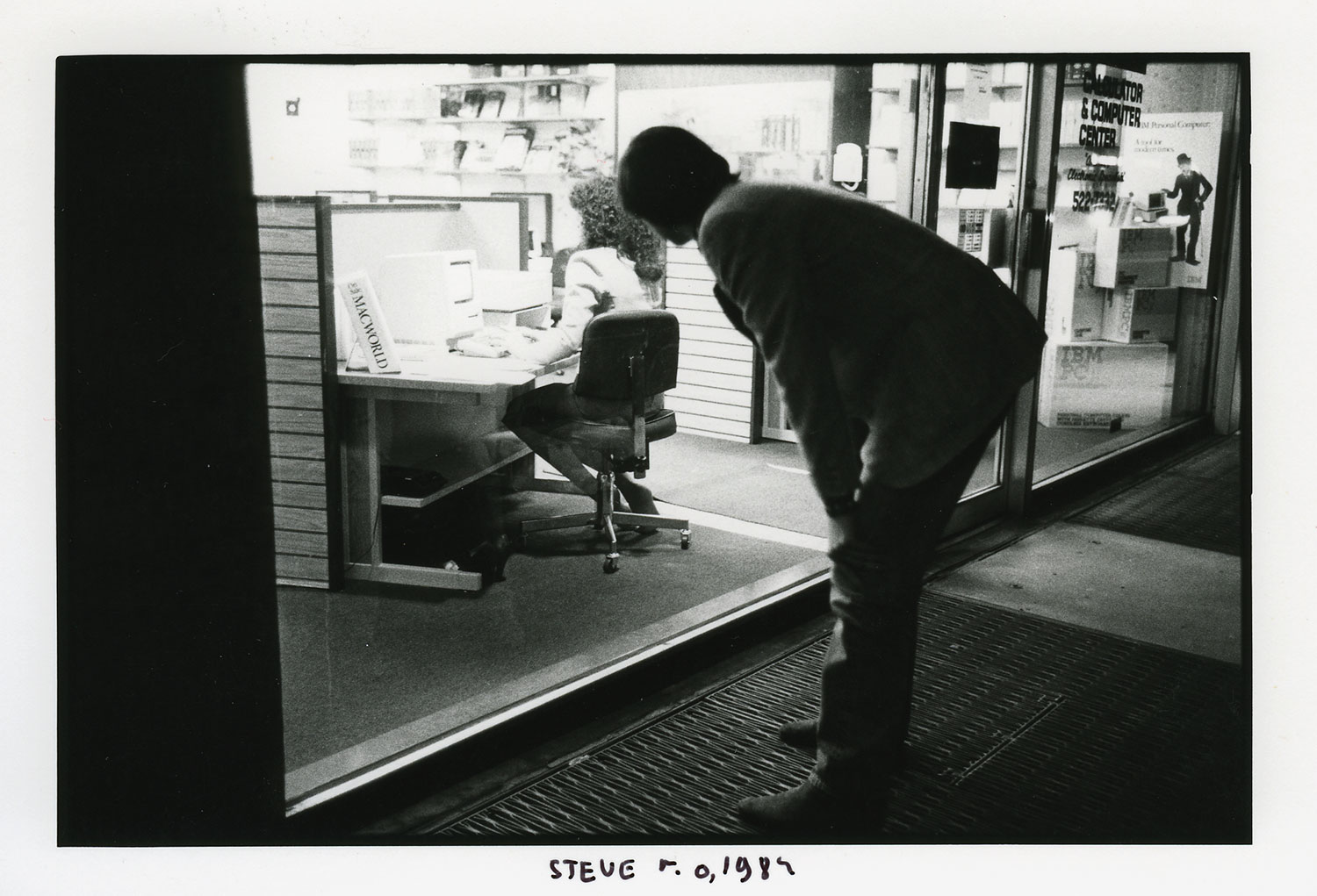
Steve, silhouetted, is bent over as he observes a curly-haired woman typing on a Mac in a storefront. 剪影中的史蒂夫俯身观察一位卷发女子在店面里的 Mac 上打字。
背景: 1983年10月,苹果销售会议,史蒂夫介绍麦金塔及其标志性广告,该广告在1984年超级碗期间播出
主题: "乔治·奥威尔对1984年的预言是对的吗?"
核心概念
- IBM (IBM) - 三次错失机会:施乐、小型机、个人电脑
- DEC (DEC) - 数字设备公司,小型计算机先驱
- Chiat/Day (Chiat/Day) - 广告代理商
- 麦金塔 (Macintosh) - 1984年推出
内容
中文翻译
嗨,我是史蒂夫·乔布斯。
现在是1958年。IBM错过了购买一家年轻的新兴公司的机会,这家公司发明了一种叫做静电复印术的新技术。两年后,施乐诞生了。IBM从那以后一直在自责。
十年后,1960年代末。数字设备公司[DEC]和其他人发明了小型计算机。IBM认为小型计算机太小,无法做严肃的计算,因此对它们的业务不重要。DEC成长为一家数亿美元的公司,然后IBM才终于进入小型计算机市场。
现在又过了十年,1970年代末。1977年,苹果,一家西海岸的年轻新兴公司,发明了Apple II,第一台我们今天所知的个人电脑。IBM认为个人电脑太小,无法做严肃的计算,对它们的业务不重要。
1980年代初,'81年。Apple II已成为世界上最受欢迎的电脑。苹果已成长为一家3亿美元的公司,成为美国商业史上增长最快的公司,有五十多个竞争对手争夺份额。IBM于1981年11月推出IBM PC进入个人电脑市场。
1983年。苹果和IBM成为行业最强的竞争对手,每家在1983年销售约10亿美元的个人电脑。每家将在1984年投资超过5000万美元用于研发,另外5000万美元用于电视广告,总计近2.5亿美元。
淘汰正在进行。第一家主要公司破产,其他公司在边缘摇摇欲坠。1983年的行业总损失甚至超过了苹果和IBM个人电脑的总利润。
现在是1984年。看来IBM想要一切。苹果被认为是唯一能给IBM带来竞争的希望。最初张开双臂欢迎IBM的经销商现在害怕IBM主导和控制的未来。他们越来越绝望地转向苹果,作为唯一能确保他们未来自由的力量。
IBM想要一切,并瞄准它控制行业的最后一个障碍:苹果。蓝色巨人会主导整个计算机行业吗?[观众:不!]整个信息时代吗?[观众:不!]乔治·奥威尔对1984年的预言是对的吗?
[史蒂夫播放"1984"广告。由雷德利·斯科特导演,广告描绘了一个反乌托邦、奥威尔式的世界。在一个场景中,穿着灰色衣服、剃光头的人们面无表情地坐在大屏幕前,屏幕上独裁者喋喋不休地说着废话。一个穿着亮红色短裤和麦金塔衬衫的女人冲进房间。她将一把锤子扔向屏幕,摧毁了它。广告以承诺结束:"1月24日,苹果电脑将推出麦金塔。你会看到为什么1984不会像'1984'。"]
[观众爆发出热烈的掌声和呼喊;掌声平息后,史蒂夫继续。]
那个广告将在麦金塔推出前一周播出。我们组装它的广告代理商今天在这里,Chiat/Day。Jay Chiat在这里,负责人。Lee Clow和Steve Hayden,撰写文案并做创意,也在这里。你们可能——我猜他们刚刚听到了你们的想法。
英文原文
Speech to Apple Employees, Make Something Wonderful

Speech to Apple Employees

"Was George Orwell right about 1984?"

Steve introduced the Macintosh and its iconic commercial, which ran during the 1984 Super Bowl, at an Apple sales meeting in October 1983.

Hi, I'm Steve Jobs.

It is 1958. IBM passes up the chance to buy a young, fledgling company that has invented a new technology called xerography. Two years later, Xerox is born. And IBM has been kicking themselves ever since.

It is ten years later, the late sixties. Digital Equipment [DEC] and others invent the minicomputer. IBM dismisses the minicomputer as too small to do serious computing, and therefore unimportant to their business. DEC grows to become a multi-hundred-million-dollar corporation before IBM finally enters the minicomputer market.

It is now ten years later, the late seventies. In 1977, Apple, a young, fledgling company on the West Coast, invents the Apple II, the first personal computer as we know it today. IBM dismisses the personal computer as too small to do serious computing and unimportant to their business.

The early eighties, '81. Apple II has become the world's most popular computer. Apple has grown to a $300 million company, becoming the fastest-growing corporation in American business history, with over fifty competitors vying for a share. IBM enters the personal-computer market in November '81 with the IBM PC.

1983. Apple and IBM emerge as the industry's strongest competitors, each selling approximately one billion dollars' worth of personal computers in 1983. Each will invest greater than $50 million for R&D and another $50 million for television advertising in 1984, totaling almost one quarter of a billion dollars combined.

The shakeout is in full swing. The first major firm goes bankrupt, with others teetering on the brink. Total industry losses for '83 outshadow even the combined profits of Apple and IBM for personal computers.

It is now 1984. It appears IBM wants it all. Apple is perceived to be the only hope to offer IBM a run for its money. Dealers initially welcoming IBM with open arms now fear an IBM-dominated and controlled future. They are increasingly and desperately turning back to Apple as the only force that can ensure their future freedom.

IBM wants it all, and is aiming its guns on its last obstacle to industry control: Apple. Will Big Blue dominate the entire computer industry? [Audience: No!] The entire information age? [Audience: No!] Was George Orwell right about 1984?

[Steve runs the "1984" commercial. Directed by Ridley Scott, the ad depicts a dystopian, Orwellian world. In one scene, people dressed in gray, their heads shaved, sit expressionless in front of a large screen on which a dictator drones nonsense. A woman in bright red running shorts and a Macintosh shirt bursts into the room. She hurls a hammer at the screen, destroying it. The commercial ends with a promise: "On January 24th, Apple Computer will introduce Macintosh. And you'll see why 1984 won't be like '1984.'"]

[There is tumultuous applause and shouting from the audience; once it dies down, Steve resumes.] That ad is going to run one week before Macintosh is introduced. And our ad agency that put it together is here today, Chiat/Day. Jay Chiat is here, the principal. Lee Clow and Steve Hayden, [who] wrote the copy and did the creative, are also here.

You might—I guess they just heard what you thought.
思考与洞察
- 戏剧化叙事: 用IBM的三次失误构建紧张感,然后引出苹果的角色
- 奥威尔的隐喻: 将IBM比作老大哥,苹果作为解放者
- 观众互动: 通过问题让观众参与"不!"的呼喊,增强情感共鸣
- 广告的力量: "1984"广告成为营销史上的经典,预演了苹果的叛逆精神
- 历史视角: 从1958年的施乐到1984年的麦金塔,展示技术行业的演变