史蒂夫谈重返苹果
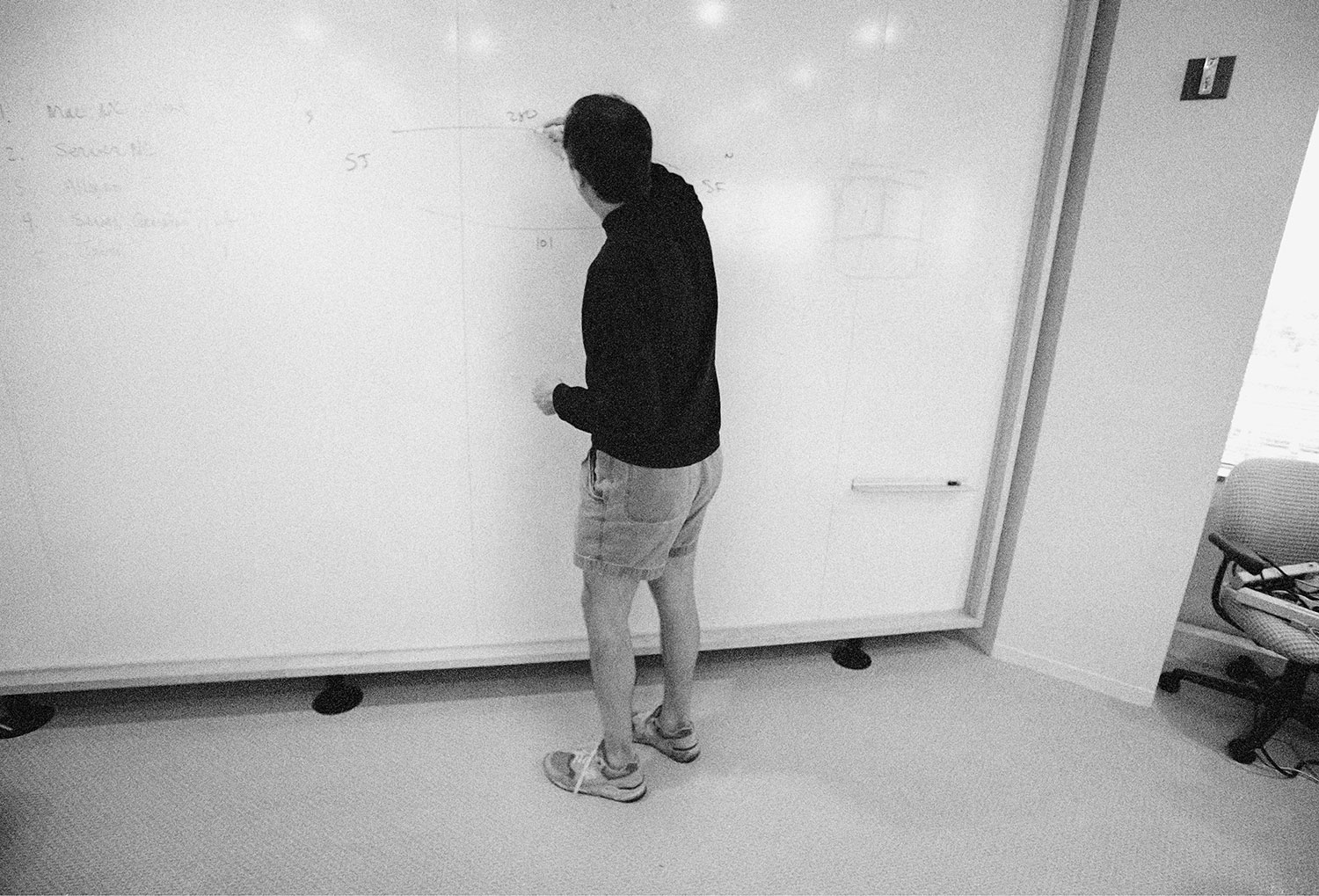
Steve's back is turned to the camera as he writes on a whiteboard. He wears a black turtleneck, shorts and sneakers. 史蒂夫背对着镜头在白板上书写,他穿着黑色高领毛衣、短裤和运动鞋。
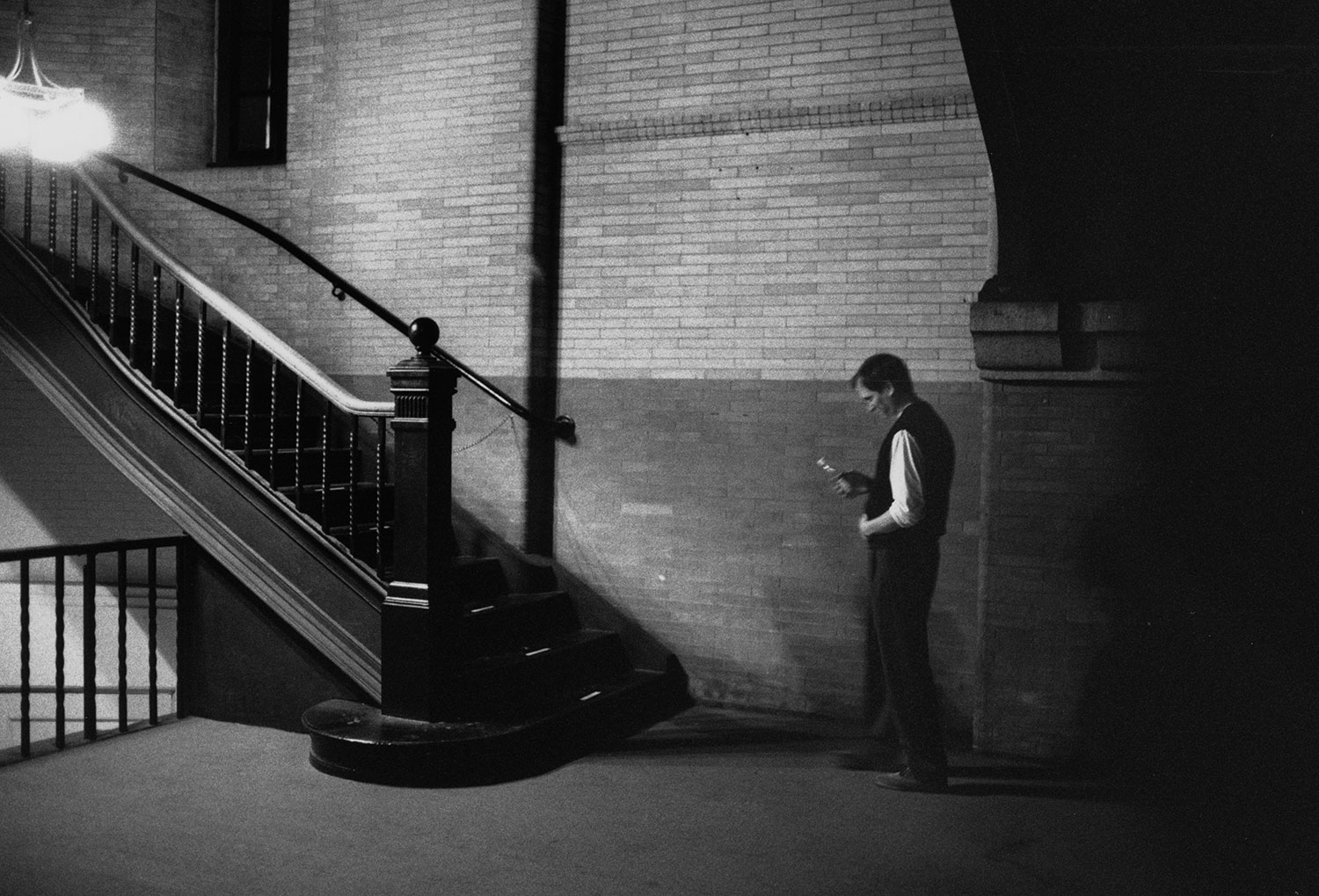
Steve stands in a dimly-lit stairwell opposite a large brick wall. He wears a vest over a white shirt. 史蒂夫站在昏暗的楼梯间里,面对着一堵大砖墙,白衬衫外面套着马甲。
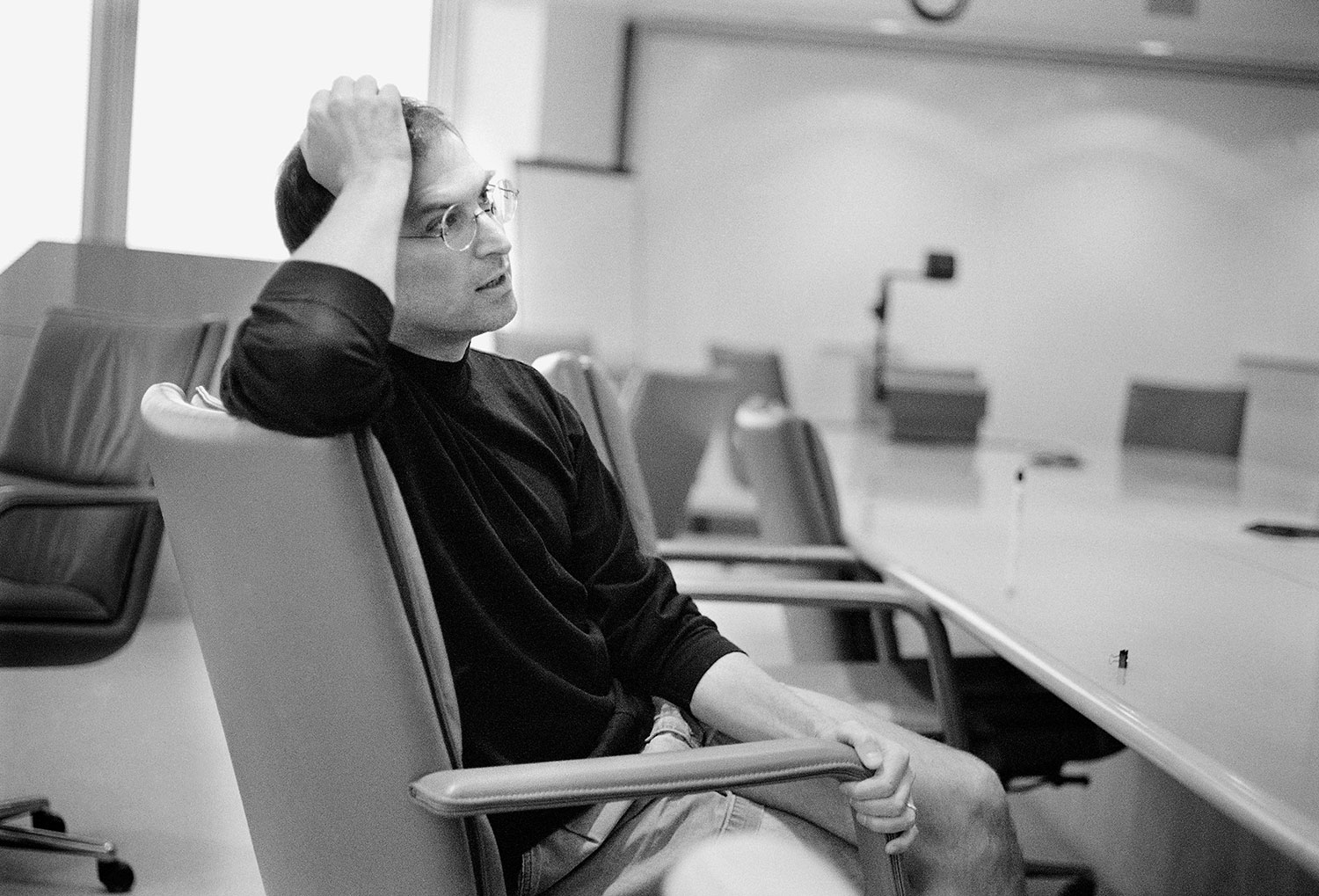
Steve sits in a conference room, leaning his head on his hand. A projector and whiteboard are blurred in the background. 史蒂夫坐在会议室里,手托着头。背景中投影仪和白板模糊可见。
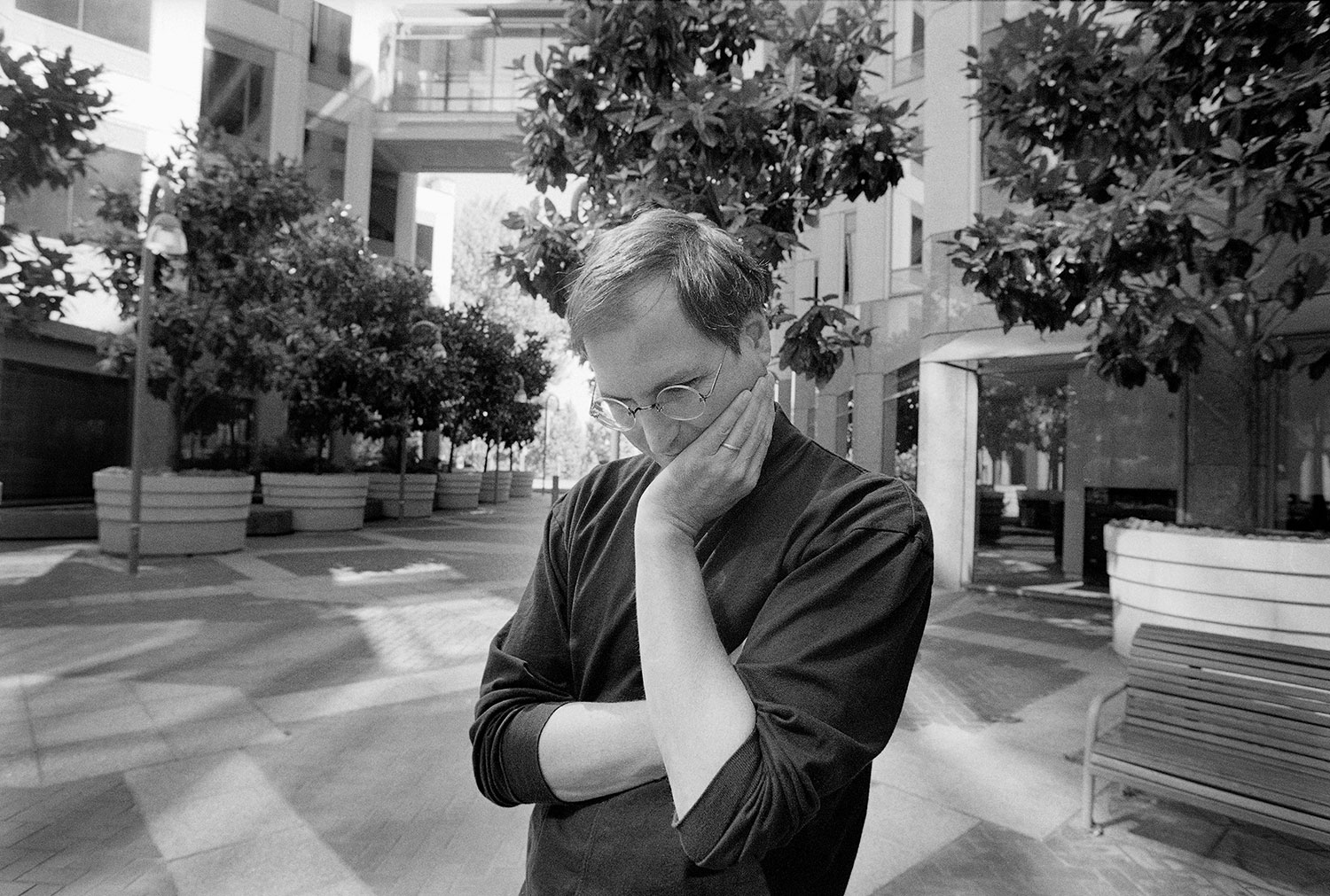
Steve stands in a courtyard, deep in thought, with his head down and his chin resting in the palm of his hand. 史蒂夫站在庭院中,陷入沉思,低着头,手托着下巴。
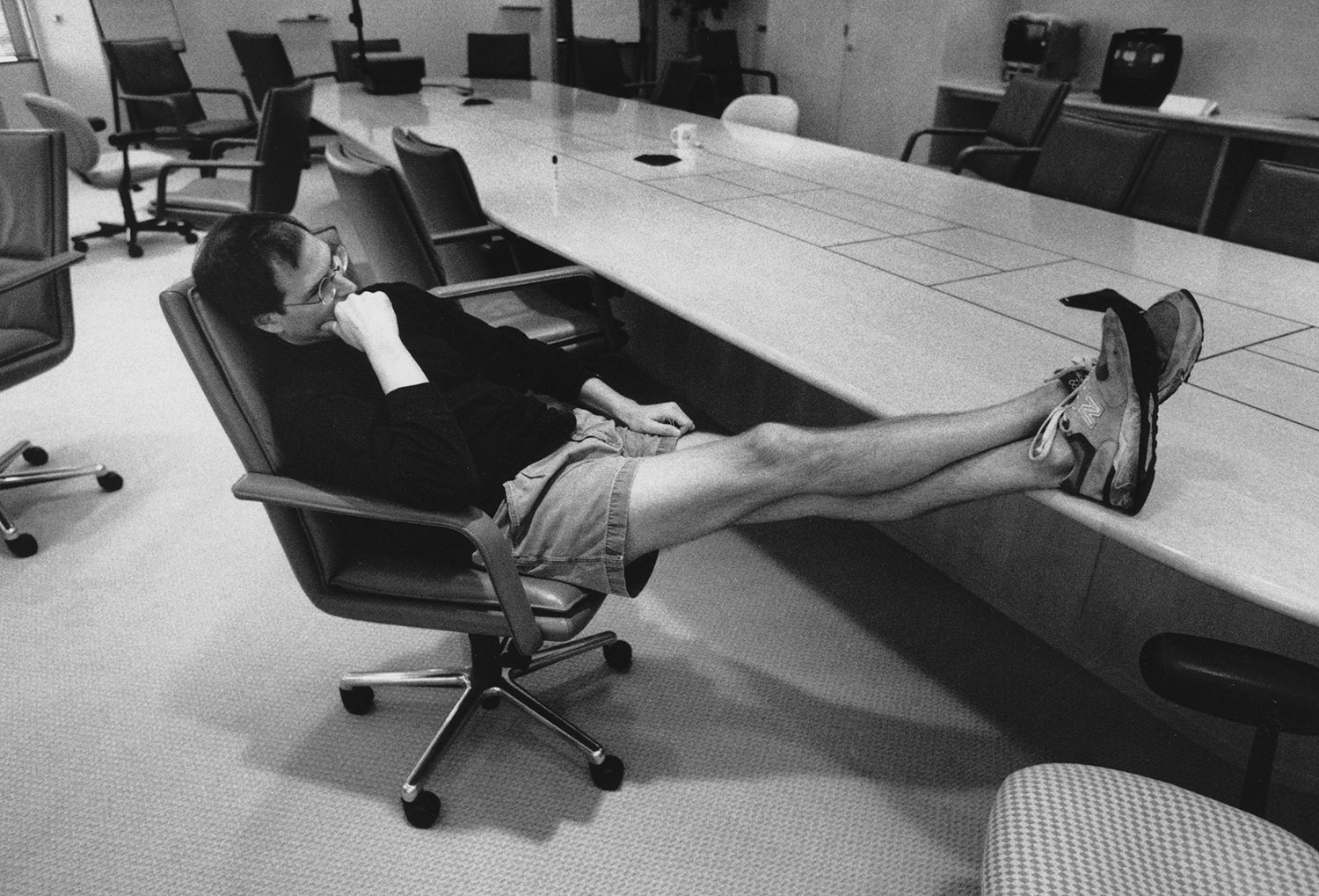
Steve leans back on his chair in a conference room. He is wearing shorts, legs stretched out and feet on the table. 史蒂夫靠在会议室的椅子上,穿着短裤,双腿伸直,双脚搭在桌子上。
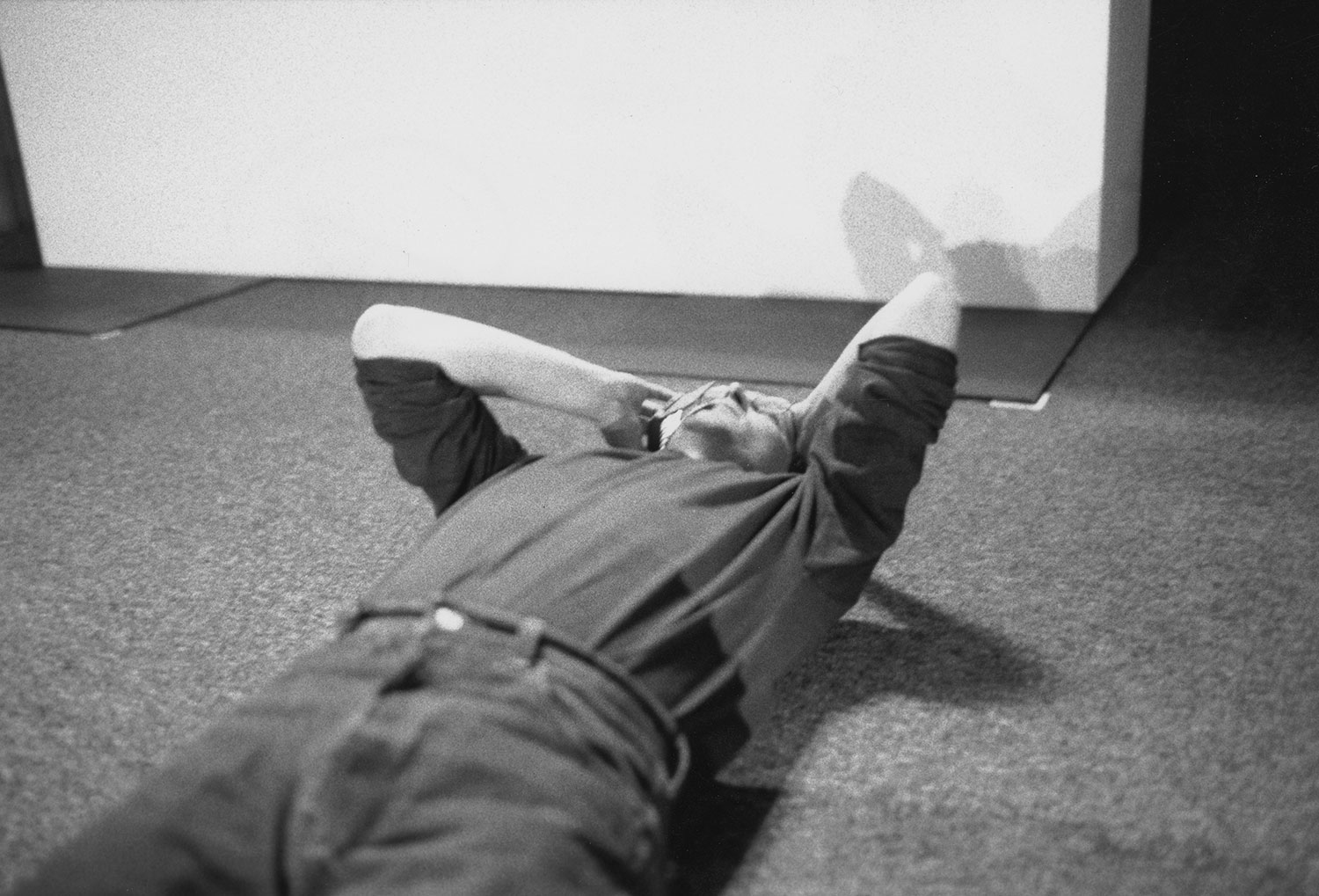
Steve lies on his back on a carpeted floor, talking on a cellphone and looking at the ceiling with his hand on his head. 史蒂夫仰面躺在铺着地毯的地板上,打着手机,手放在头上,看着天花板。
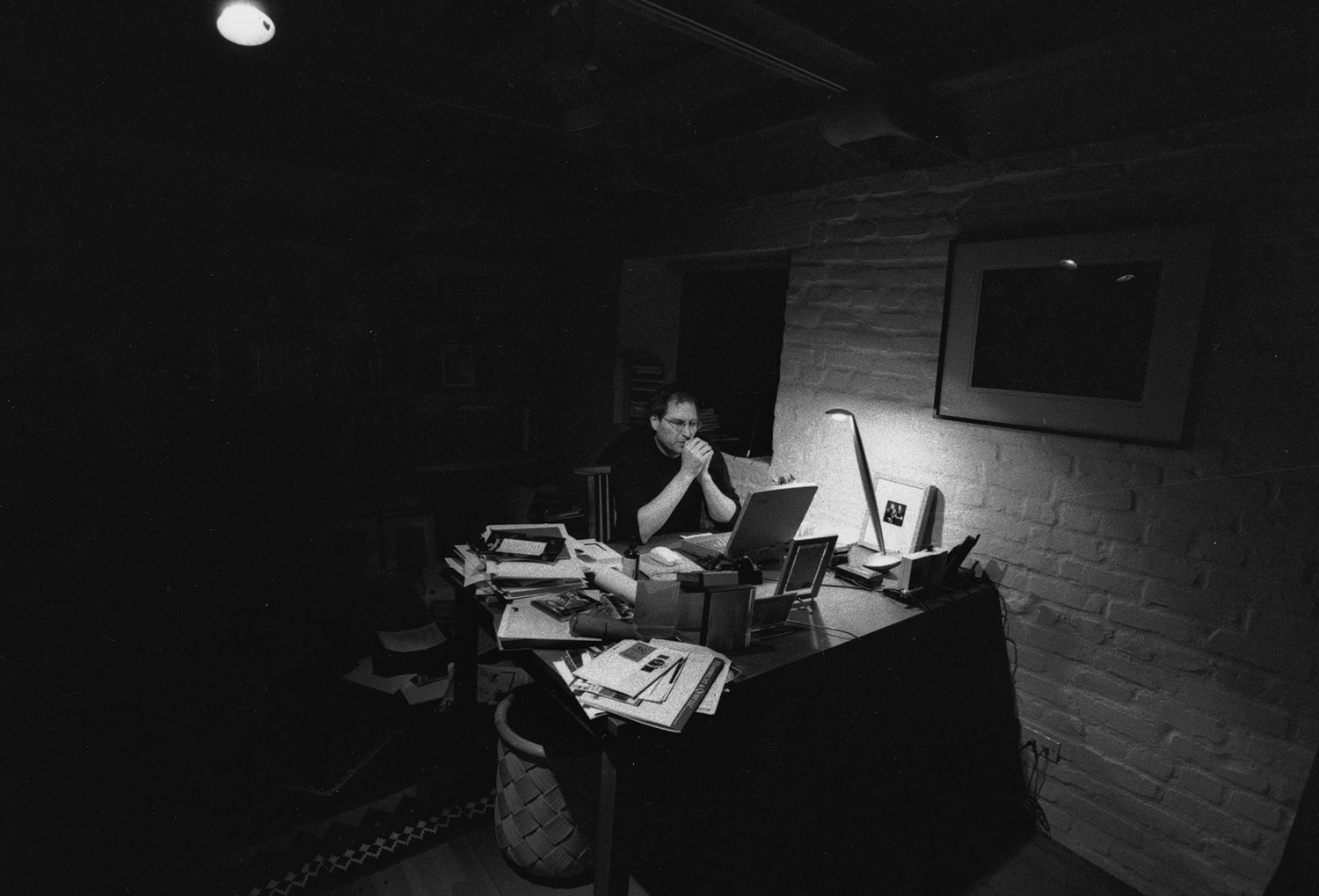
In his dark home office, a small lamp illuminates Steve as he sits at a cluttered desk. 在昏暗的家庭办公室里,一盏小台灯照亮着史蒂夫,他坐在一张堆满杂物的书桌前。
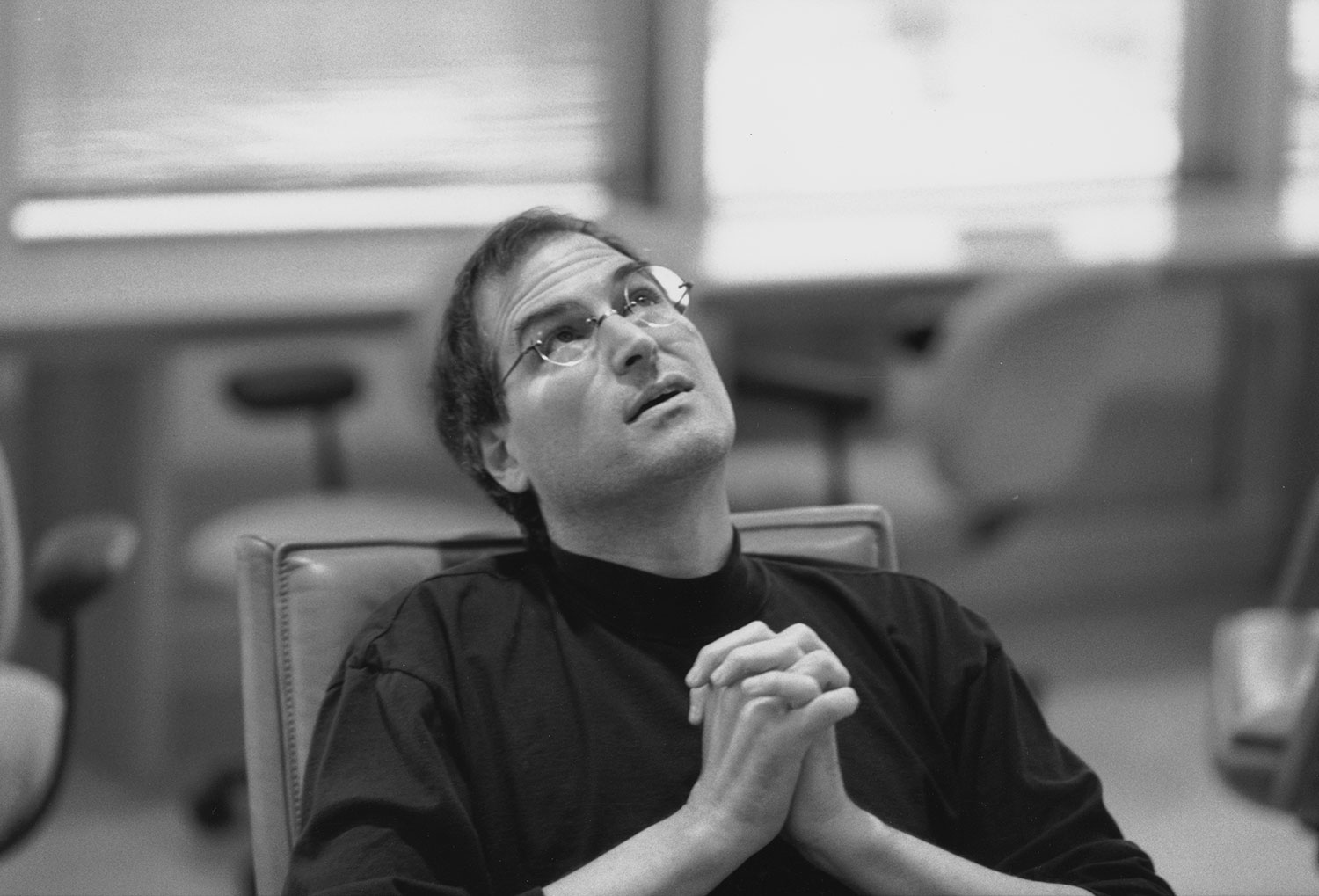
Steve in his signature turtleneck, eyes cast upward and fingers knitted, shortly after returning to Apple. 史蒂夫穿着标志性的高领毛衣,目光上扬,手指交叉,这是在他重返苹果后不久拍摄的。
背景: 2003年,史蒂夫向斯坦福商学院学生回忆七年前关于是否回归苹果的内心挣扎。
核心概念
- 出售NeXT (Sell NeXT) - 员工不听乔布斯的建议
- 永远不会发生 (Never happen) - 乔布斯最初认为不可能
- 我们不听 (Don't always listen) - 优秀人才在关键时刻不听命令
- 不需要CEO执照 (No CEO license) - 开车需要执照,当CEO不需要
- 我不在乎苹果 (Don't give a shit) - 朋友的话让乔布斯醒悟
- 我确实在乎 (I do give a shit) - 意识到内心深处仍然在乎苹果
- terrified (Terrified) - 害怕皮克斯员工和股东感觉被抛弃
- 九十天的临时CEO (Interim 90 days) - 最初计划只待90天
- 重症监护 (Intensive care) - 苹果在重症监护,距破产90天
- 变成一年 (Turned into a year) - 90天变成一年
内容
中文翻译
我在NeXT工作,在皮克斯工作,看报纸上苹果要买一家公司、那家公司来换操作系统的传闻。我们的一个人说,"我们应该把NeXT卖给他们。我们有更好的操作系统。"我说,"算了吧。永远不会发生。"
所以这是那种情况之一,当你雇佣对的人时,他们不总是在关键时刻听你的。所以这个人,非常聪明,不听我的。他去和苹果谈说,"你们应该买NeXT。"他们有兴趣。然后他回来说,"他们想和我们谈。"我就像,"不。走开。你编造的。"他做了两次。最后我说,"好吧。行。我们和他们谈谈。"我不敢相信。他们真的有兴趣。所以我们最终把NeXT卖给了他们。
而当时苹果的CEO明确表示他不想让我在身边,那没关系。所以我只是作为他的顾问留下来,试着帮他一点,因为他从NeXT继承的管理团队实际上比他苹果的那个好得多。所以我在试着确保这些人不会被完全压垮。而且……我在这里必须小心我说什么。让我就说你需要执照来开车,但你不需要执照来当公司的CEO。也许你应该需要。
不管怎样,所以我基本上出局了。然后苹果的一个董事会成员打电话给我。我从没见过这个人。他说,"听着,我想要你对这里的CEO的真实看法。"我想,"我甚至不认识这个人。不管我告诉他什么,他们可能会去告诉CEO,然后我就会不受欢迎,我就没有机会帮助我的团队不被那里的其他人压垮。"我想了很多。
然后我想,"你知道,这是我创办的一家公司的董事——我爱了很多年的公司——在某种程度上仍然爱。所以我怎么能不告诉他们真相?"所以我倾吐了我的心里话——再也没听到他的消息。
所以我想,好吧。我整天在皮克斯度过,玩得很开心。那是春天,进入夏天。六年前大约几周后,他[董事]回电话给我,他说,"我们要解雇我们的CEO,我们想让你回来经营公司。"我说,"我不能那样做。我是皮克斯的CEO。它是一家上市公司。我们有所有这些出色的员工。我们有这些股东。我不能去当另一家上市公司……我不能抛弃他们。所以我不能做这个。我会以任何方式帮助你,但我不能。"
他几天后回电话说,"我们想让你回来作为临时领导,帮我们找一个新CEO。"我说,"嗯,我得想想。"我在考虑这件事,打电话给我一个朋友,一个非常聪明的人,我认识很久的好朋友,在行业里的另一家公司工作。我可能早上八点吵醒了他,我在告诉他我的挣扎,我应该、我能做这个吗?应该不应该?这样那样……
最后,大约四分钟后他打断我说,"史蒂夫,我不在乎苹果。你为什么要告诉我这些?"我说,"哦,好吧。对不起。"然后我挂了电话。
我意识到:你知道,我确实在乎苹果。而这正是让我想清楚的原因。所以我作为临时CEO回去了。我很害怕,因为我害怕我们的皮克斯员工和股东会觉得我抛弃了他们。这就是为什么我只作为临时CEO回去。我只计划待九十天。
但苹果情况很糟糕,它吸引的CEO候选人,他们不太好。我几乎雇佣了一个,最后一刻我只是说,"我不能对这些家伙做这件事。"我只是想,"嗯,再找一个人需要另外九十天。"那变成了一年。我决定从一开始就像我是永久CEO一样行事,因为他们不需要看守人。这东西在重症监护。它距破产大约九十天。它情况很糟糕。
英文原文
Steve on Returning to Apple, Make Something Wonderful

Steve on Returning to Apple

Speaking to Stanford business school students in 2003, Steve recalled his internal struggle, seven years earlier, over whether to return to Apple.

I'm working away at NeXT, working away at Pixar, reading the rumors in the papers that Apple is going to buy a company, this other company, for their operating system. And one of our guys said, "We should sell NeXT to them. We've got a much better operating system."

And I said, "Forget it. It will never happen."

So this is one of those cases where, when you hire the right people, they don't always listen to you in key moments in time. So this person, being very smart, didn't listen to me. And he went over and talked to Apple and said, "You ought to buy NeXT." And they were interested.

Then he comes back and says, "They want to talk to us."

And I was like, "No. Go away. You're making this up."

He did this twice. Finally I said, "OK. Fine. Let's talk to them." I couldn't believe it. They really were interested. And so we ended up selling them NeXT.

And the CEO running Apple at that time made it clear he didn't want me around, which was fine. And so I stayed on just as a consultant to him, to try to help him a little bit, because the management team he was inheriting from NeXT was actually quite a bit better than the one he had at Apple. And so I was trying to make sure these people didn't get totally crushed.

And… I have to be careful what I say here. Let me just say that you need a license to drive a car, but you don't need a license to be the CEO of a company. And maybe you should need one.

Anyway, so I was pretty much out of the picture. Then one of Apple's board members called me. I had never met this person. And he said, "Look, I want your straight scoop on what you think of the CEO here." And I thought, "I don't even know this person. Whatever I tell them, they'll probably go tell the CEO, and then I will be persona non grata, and I will not have a chance to help my team not get crushed by these other folks there." And I thought a lot.

And then I thought, "You know, this is a director of a company that I started and that I loved for many years—and still do to some extent. And so how can I not tell them the truth?"

So I spilled out my guts—and never heard from him again. And so I figured, fine. I was spending my days at Pixar and having a great time. It was springtime, going into summer. And six years ago a few weeks from now, I got a call back from him [the director], and he said, "We are going to dismiss our CEO, and we would like you to come back and run the company."

And I said, "I can't do that. I'm the CEO of Pixar. It's a publicly traded company. We have all these wonderful employees. We have these shareholders. And I can't go be CEO of another public … I can't desert them. So I can't do this. I'll help you any way I can, but I can't."

He called back a few days later and he said, "We'd like you to come back as an interim leader and help us find a new CEO."

And I said, "Well, I have to think about that." And I was thinking about it and called up a friend of mine, a really smart guy, a good friend I'd known for a long time that works at another company in the industry. And I probably woke him up in the morning, about eight o'clock one morning, and I was telling him about my struggles about, should I, could I do this? Should I not? And this and that…

And finally, he interrupted me after about four minutes and he said, "Steve, I don't give a shit about Apple. Why are you telling me all this?"

And I said, "Oh, OK. I'm sorry." And I hung up the phone.

And I realized: You know, I do give a shit about Apple.

And that's kind of what crystallized it for me. And so I went back there as an interim CEO.

And I was terrified because I was afraid our Pixar employees and shareholders would feel like I was deserting them. And that's why I went back just as an interim CEO. I only planned to stay ninety days.

But Apple was in a pretty tough situation, and the candidates it was attracting for the CEO job, they were not so good. And I almost hired one, and at the last minute I just said, "I can't do this to these guys."

I just thought, "Well, it will take another ninety days to find somebody." And that turned into a year. And I decided right up front that I was just going to act like I was the permanent CEO, because they didn't need a caretaker. This thing was in intensive care. It was about ninety days away from bankruptcy. It was in pretty bad shape.
思考与洞察
- 员工不听命令: 优秀的人才会在关键时刻不听命令,这是好事
- CEO执照: "开车需要执照,当CEO不需要"——对当时苹果CEO的讽刺
- 倾吐心里话: 向陌生董事说真话,再也没听到消息
- 朋友的话: "我不在乎苹果,你为什么要告诉我这些?"——让乔布斯醒悟
- 我确实在乎: "你知道,我确实在乎苹果"——回归的真正原因
- 害怕抛弃: 害怕皮克斯员工和股东感觉被抛弃
- 临时90天: 最初计划只待90天,结果变成一年
- 重症监护: 苹果距破产90天,情况很糟糕
- 不做看守人: 从一开始就表现得像永久CEO,因为公司不需要看守人