里德学院演讲
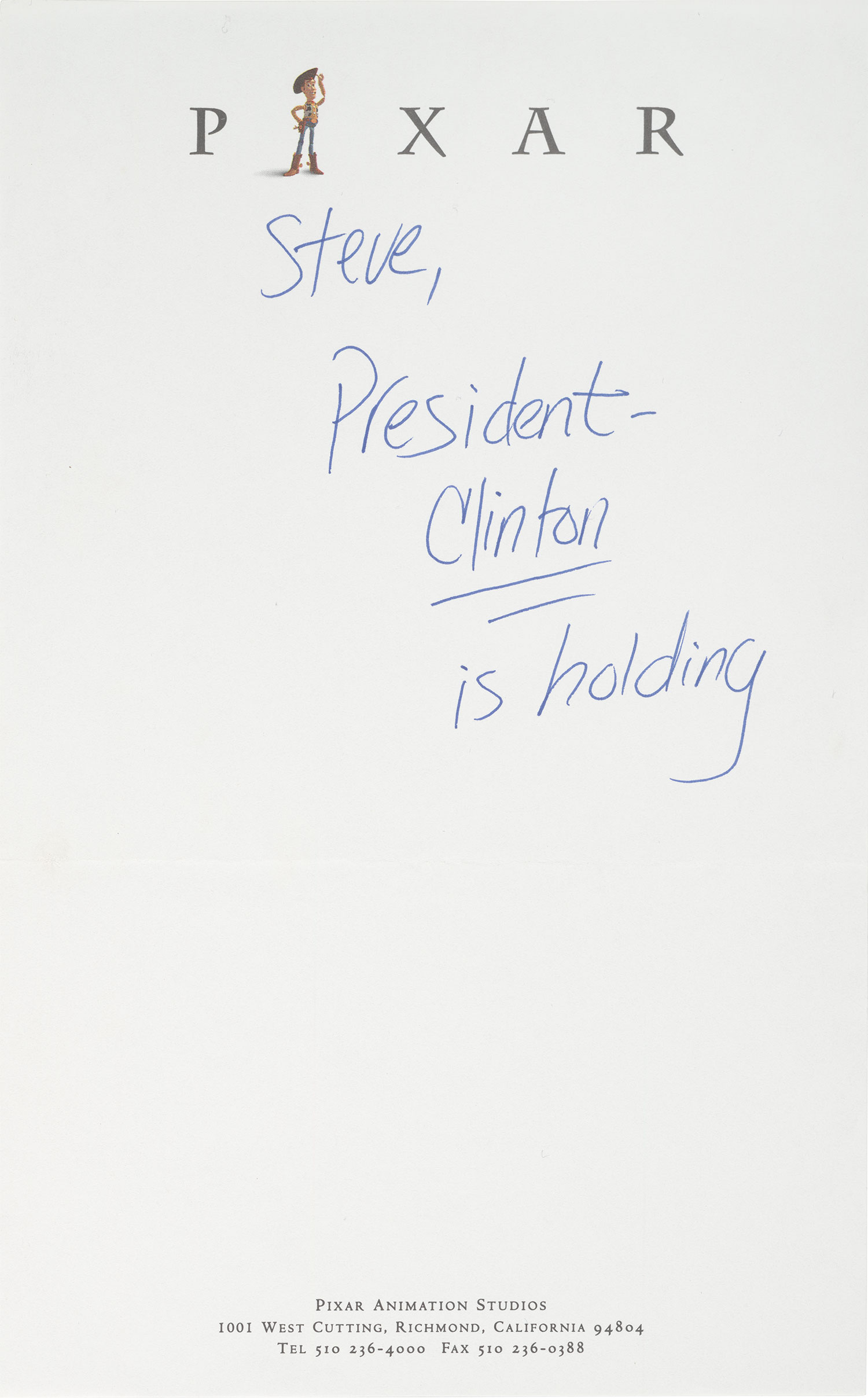
A note on Pixar letterhead. The handwritten text reads: Steve, President Clinton is holding. 一张写在皮克斯信纸上的便条。手写的文字是:史蒂夫,克林顿总统正在拿着(它)。
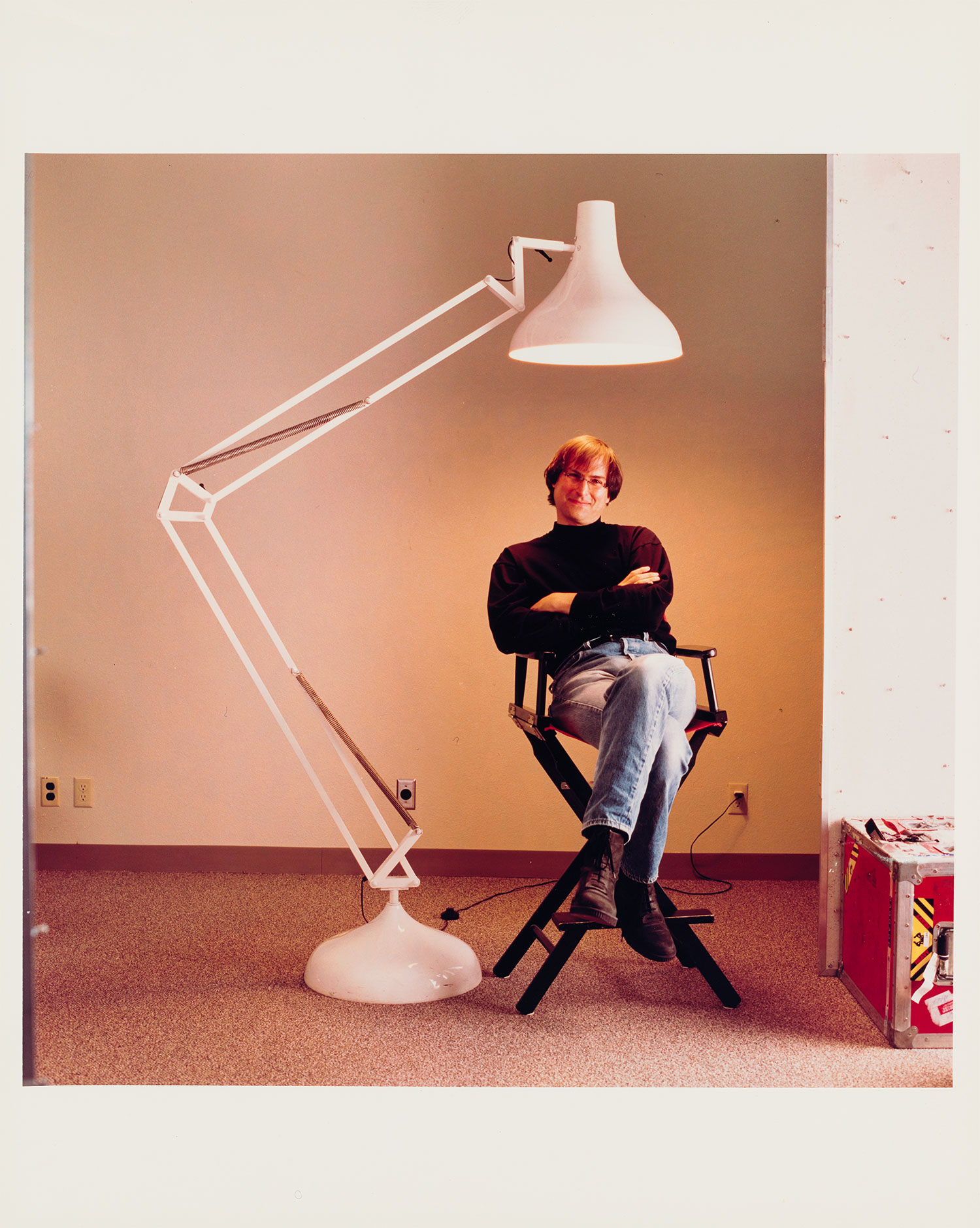
Steve, now wearing glasses, sits cross-legged in a director's chair under an oversized anglepoise Pixar-style lamp. 史蒂夫戴着眼镜,盘腿坐在导演椅上,头顶是一盏超大号的皮克斯风格的台灯。
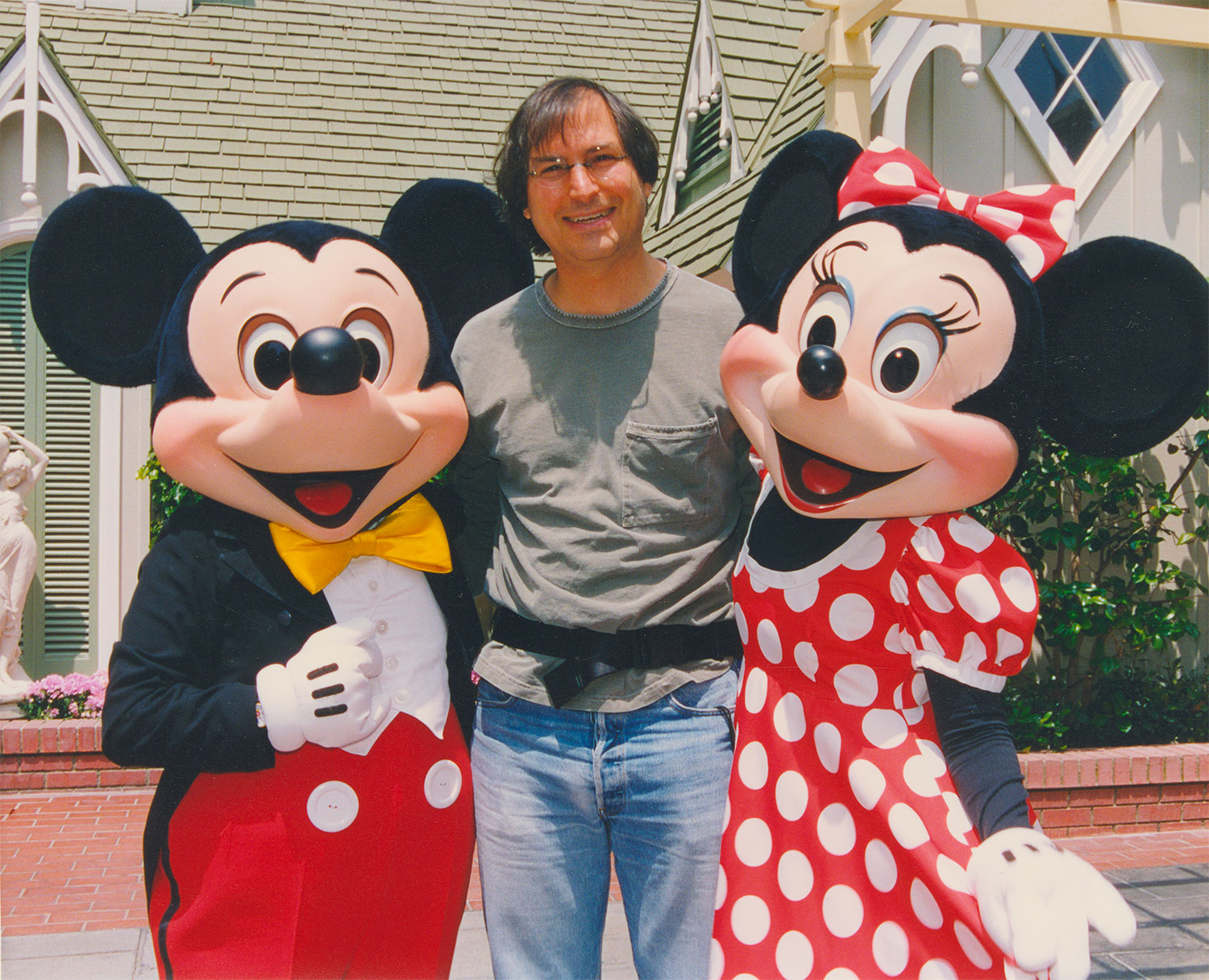
Steve, smiling, poses with Mickey and Minnie Mouse at Disneyland. 史蒂夫微笑着,在迪士尼乐园与米奇和米妮老鼠合影。
背景: 1991年8月27日,史蒂夫在母校里德学院欢迎新生入学,当时NeXT电脑销量不佳,皮克斯刚刚裁员。主题: "品格不是在顺境中建立,而是在逆境中建立"
核心概念
- 里德学院 (Reed College) - 母校
- 杰克·达德曼 (Jack Dudman) - 院长默许他蹭课,暗中资助
内容
中文翻译
非常感谢你们。这对我意义重大。我是个奇特的里德校友,如你们所知。我从来没从里德毕业——虽然那让我不那么特别,我想。
但也许更不寻常:我在里德一个学期后就花光了钱,所以我退学了。但后来我退回去又待了一年半。所以,实际上我是自愿在这里,这更不寻常。我在这里有一些经历——我相信你们作为新生和在整个大学时光中都会有的——这些经历伴随了我一生。我在考虑把一些讲述给你们。记住我现在比你们大得多。我一直认为人的自我意识火花大约在十五或十六岁时开启。所以如果我们把年龄标准化到十五或十六,那么你们大多数人作为新生在这里是两、三、四岁。我大约是二十岁。所以这也许让你们对多年后回到里德是什么样子有了一些视角。
但有几件事印在我脑中,我想传递给你们,也许有些价值。第一件是,就像你们很快会经历的,我被迫去上人文学讲座——似乎每天都上。我跟Svitavsky教授学莎士比亚。当时,我认为这些是无意义甚至有点残酷的折磨。我可以向你们保证,随着时间流逝,我感谢上帝我在这里有过这些经历。它在我所做的每件事中都帮助了我,虽然我当时绝不会猜到。
我记住的第二个里德经历是饥饿。一直饥饿。这里的食堂很快教会我成为素食者。我没有那么多钱,所以我会收集可乐瓶,带到商店去换吃的。我发现最便宜的吃法是Roman Meal。你们听说过这个吗?它是麦片。它是一个哈佛历史教授发明的,有一天他想知道罗马军团征服和掠夺村庄时带什么吃,他通过研究发现是Roman Meal。你可以在本地商店买到,这是最便宜的活法。所以我靠Roman Meal活了很多个月。而且,我们几个人,
几天没吃东西后,会在周日搭便车穿过城镇去哈雷克里希纳神庙,那里他们会喂所有来者。通过实践,我们发现了到达的最佳时机——在他们特定的宗教仪式之后,就在食物之前。几天没吃,我们会吃很多,好几次留下来过夜,因为我们无法动弹。
第二天早上,他们会在凌晨四点叫醒我们,因为那是他们去为神庙采花供奉克里希纳的时候。所以他们会带我们一起,黎明前,去社区——在那里他们会从邻居那里偷花。住在哈雷克里希纳神庙附近的邻居很快识破了他们的掠夺,会早起守护他们的花坛。所以他们不得不在神庙周围越来越大的范围内采花。在和这些人相处的时间里,我注意到他们的一些其他行为。他们过去常常把香卖给本地百货商店,然后去偷回来,这样百货商店会再买更多,他们就有兴旺的生意。他们的伦理告诉他们这没问题,任何为克里希纳服务的事都没问题。在与他们互动中,我想我学到的情境伦理比在校园学到的都多。
我想给你们讲述的最后一个经历:有个人——我想他今天在这里——叫杰克·达德曼,他曾经是学校院长。他是我在这里时的生命英雄之一,因为杰克·达德曼在我没付费住在校园时视而不见。他对我作为非正式学生蹭课不付学费视而不见。而且经常,当我走投无路时,杰克会和我散步,散步后我会在破旧的外套口袋里发现一张二十美元钞票,杰克之前、期间或之后从未提及。
我从杰克·达德曼和这所学校的人那里学到的慷慨比我在生命中任何地方学到的都多。所以我想感谢这个社区,因为我在这里学到的东西一直伴随着我。品格不是在顺境中建立,而是在逆境中建立;不是在富足时,而是在逆境中——这所学校似乎成功培养了那种逆境精神,我想确实塑造了一些品格。所以我感谢你们教会我如何饥饿,以及如何终生保持饥饿。
非常感谢。
英文原文
Thank you very much for this. It means a lot to me. I’m a peculiar Reed alumnus, as many of you know. I never graduated from Reed—although that doesn’t make me that unusual, I suppose.

But maybe more unusual: I ran out of money after one semester here at Reed, so I dropped out. But then I dropped in for another year and a half. So, I was actually here by choice, which is somewhat more unusual. And I had some experiences here—that I’m sure many of you will have as freshmen and throughout your years here—that have stayed with me my whole life. I was thinking of some of them to recount to you.

Remember that I’m much older than you now. I’ve always thought that people’s spark of self-consciousness turns on at about fifteen or sixteen. So if we normalize age to fifteen or sixteen, then most of you are two or three or four years old here, as freshmen. I’m about twenty. So that maybe puts in perspective what it’s like to return to Reed after so many years. But a few things stick in my mind that I wanted to pass on that maybe could be of some value. The first was that, as you will be shortly, I was forced to go to humanities lectures—it seemed like every day. I studied Shakespeare with Professor Svitavsky. And at the time, I thought these were meaningless and even somewhat cruel endeavors to be put through. I can assure you that as the patina of time takes its toll, I thank God that I had these experiences here. It has helped me in everything I’ve ever done, although I wouldn’t have ever guessed it at the time.

The second experience that I remember from Reed is being hungry. All the time. The cafeteria here taught me quickly to be a vegetarian. I didn’t have so much money, so I would gather up Coke bottles and take them up to the store to find out how to eat. I discovered the cheapest way to eat was Roman Meal. Have you ever heard of this? It’s cereal. It was invented by a Harvard professor who was a history professor who one day wondered what the Roman legion took with them to eat as they conquered and pillaged these villages, and he found out through his research that it’s Roman Meal. And you can buy it at the local store, and it’s the cheapest way to live. So I lived for many months on Roman Meal.

But also, several of us, after not eating for a few days, would hitchhike across town to the Hare Krishna temple on Sundays, where they would feed all comers. Through practice, we discovered just the right moment to arrive—after their particular religious practices and right before the food. And not having eaten for days, we would eat a lot, and on several occasions stay over, because we were not able to move.

The following morning, they would wake us up at four o’clock in the morning because it was their time to go gather flowers for their temple to honor Krishna. So they would take us with them, predawn, out into the neighborhood—where they would proceed to steal flowers from the neighbors. And the neighbors that lived close to the Hare Krishna temple soon were wise to their pillage and would get up early in the morning and guard their flower beds. And so they would have to go in an ever-wider circumference around their temple. In spending a little time with these people, I noticed some of their other behaviors. They used to sell incense to the local department stores and then go steal it back, so that the department stores would buy more, and they would have a thriving business. And their ethics told them that this was fine, that anything in the service of Krishna was fine. In interacting with them, I think I learned more about situational ethics than I ever did on campus.

The last experience I wanted to recount for you: there is a man—I think he’s here today—named Jack Dudman, who used to be the dean of the school. He was one of the heroes of my life while I was here, because Jack Dudman looked the other way when I was staying on campus without paying. He looked the other way when I was taking classes without being a formal student and paying the tuition. And oftentimes, when I was at the end of my rope, Jack would go for a walk with me, and I would discover a twenty-dollar bill in my tattered coat pocket after that walk, with no mention of it from Jack before, during, or after.

I learned more about generosity from Jack Dudman and the people here at this school than I learned anywhere else in my life. So I wanted to thank this community, because the things I learned here stayed with me. Character is built not in good times, but in bad times; not in a time of plenty, but in a time of adversity—and this school seems to manage to nurture that spirit of adversity, and I think does build some character. So I thank you for teaching me how to be hungry and how to keep that with me my whole life.

Thank you very much.
思考与洞察
- 逆境教育: "品格不是在顺境中建立,而是在逆境中建立"——这与斯坦福演讲中的主题呼应
- 人文学科的延迟价值: 当时觉得无意义,日后发现是无价之宝
- 饥饿的具象化: Roman Meal麦片、可乐瓶换钱、哈雷克里希纳神庙——真实的饥饿体验
- 情境伦理: 从哈雷克里希纳信徒那里学到的实用主义伦理观
- 默默的慷慨: 杰克·达德曼的资助方式——不提及、不居功
- 保持饥饿: "学会如何饥饿,并终生保持饥饿"——与斯坦福演讲的"Stay hungry"呼应